
Learning how to stay hydrated and avoid headaches during long work sprints comes down to pairing micro-sips of electrolyte-balanced water with scheduled physical resets. Losing just 2% of your body water impairs concentration and triggers throbbing pain, while screen glare, jaw clenching, and erratic caffeine habits quietly amplify that discomfort at your desk.
For years, I treated deep-work sessions like endurance races. I would sit down at 8:00 AM with a giant mug of black coffee, ignore my water bottle for four hours, and wonder why a dull ache formed behind my eyes by 1:00 PM. Chugging a liter of plain water at lunch only sent me to the bathroom every twenty minutes without curing the headache.
Why Deep-Work Sprints Trigger Dehydration And Headaches

Intense cognitive focus suppresses your body’s natural thirst cues. When your brain locks onto complex problem-solving, you miss early signals like dry lips or mild fatigue until a full-blown dehydration headache sets in.
The 2% Cognitive Drop And Cellular Absorption Trap
Your brain consists of roughly 75% water, making it hypersensitive to minor fluid shifts. According to research highlighted by Harvard Health Publishing, even mild dehydration causes brain tissue to temporarily contract, pulling away from the skull and triggering pain receptors.
Gulping 32 ounces of water at once fails to fix this deficit. Rapid fluid intake spikes your blood volume and triggers your kidneys to flush the excess water before your cells can absorb it. You end up depleted again an hour later.
My 21-Day Sprint Hydration And Headache Audit
To break my afternoon headache cycle, I ran a 21-day experiment across my daily 90-minute deep-work blocks. During week one, I tracked my baseline habits: 24 ounces of coffee before noon, sporadic plain water chugging, and zero posture breaks. I logged afternoon headaches on five out of seven days, averaging a pain score of 6 out of 10.
In week two, I switched to sipping 4 ounces of water every 25 minutes and added a pinch of sea salt to my morning bottle. My headache frequency dropped to two mild episodes. By week three, adding hourly shoulder resets and strict caffeine cutoffs eliminated my afternoon headaches completely, while boosting my afternoon task completion rate by 22%.
Smart Hydration Habits For Unbroken Focus

Sustaining peak mental clarity requires turning fluid intake into an automatic background habit rather than a distracting chore.
Sip Steadily Using Pomodoro Work Triggers
Keep an insulated 24-ounce bottle directly beside your keyboard so drinking requires zero effort. Instead of watching the clock, anchor your fluid intake to natural workflow transitions.
Take three slow sips every time you finish a 25-minute Pomodoro timer, send a batch of emails, or close a pull request. The National Academies of Sciences, Engineering, and Medicine recommends roughly 125 ounces of total daily fluid for men and 91 ounces for women from beverages and food combined. Steady micro-sipping helps you hit these targets effortlessly without breaking your flow state.
Balance Plain Water With Targeted Electrolytes
Drinking excessive plain water without minerals actually dilutes your blood sodium levels, leaving you sluggish and foggy. Electrolytes like sodium, potassium, and magnesium act as cellular gatekeepers that pull water inside your tissues.
Whenever my work sprints stretch past three hours, I upgrade my plain water using one of three simple mixes:
- A pinch of unrefined sea salt squeezed with half a fresh lemon
- Four ounces of unsweetened coconut water topped with 16 ounces of filtered water
- One packet of a zero-sugar electrolyte powder containing at least 200 mg of sodium
Pair Hydrating Desk Snacks With Urine Color Checks
Roughly 20% of your daily water intake comes from solid food. Stock your desk with high-water produce like sliced cucumbers, watermelon cubes, oranges, or fresh berries. These snacks deliver steady fluids alongside potassium and natural carbohydrates without weighing down your stomach. If you tend to push your work blocks into the evening, rotating these hydrating options alongside healthy late night snacks for gamers keeps your energy stable without triggering sugar crashes.
Use the bathroom mirror as your real-time hydration dashboard. Pale straw or light lemonade means your fluid balance is dialed in. Dark yellow or amber signals an immediate need for electrolytes and water.
How To Prevent Non-Fluid Desk-Sprint Headaches

Sometimes a stubborn sprint headache has nothing to do with your water bottle. Musculoskeletal strain, eye fatigue, and blood sugar dips often masquerade as dehydration.
Stabilize Your Caffeine And Blood Sugar Curves
Skipping your regular morning coffee triggers rebound vasodilation in your brain, causing throbbing withdrawal pain that mimics dehydration. Conversely, slamming three espressos before lunch constricts blood vessels and ramps up neck tension. Stick to a consistent daily caffeine ceiling and match every cup of coffee or tea with an equal glass of water.
Skipped meals are equally destructive during marathon sessions. When your blood glucose plummets, your brain releases stress hormones that spark sharp frontal headaches. Eat a meal combining lean protein, healthy fats, and complex carbohydrates at least 30 minutes before starting a multi-hour sprint.
Release Subconscious Jaw And Shoulder Tension
High-stakes deadlines trigger a subtle fight-or-flight response at your keyboard. You unconsciously clench your molars, jut your chin forward, and hike your shoulders toward your ears. According to the Cleveland Clinic, sustained pericranial muscle contraction is the primary driver of tension headaches.
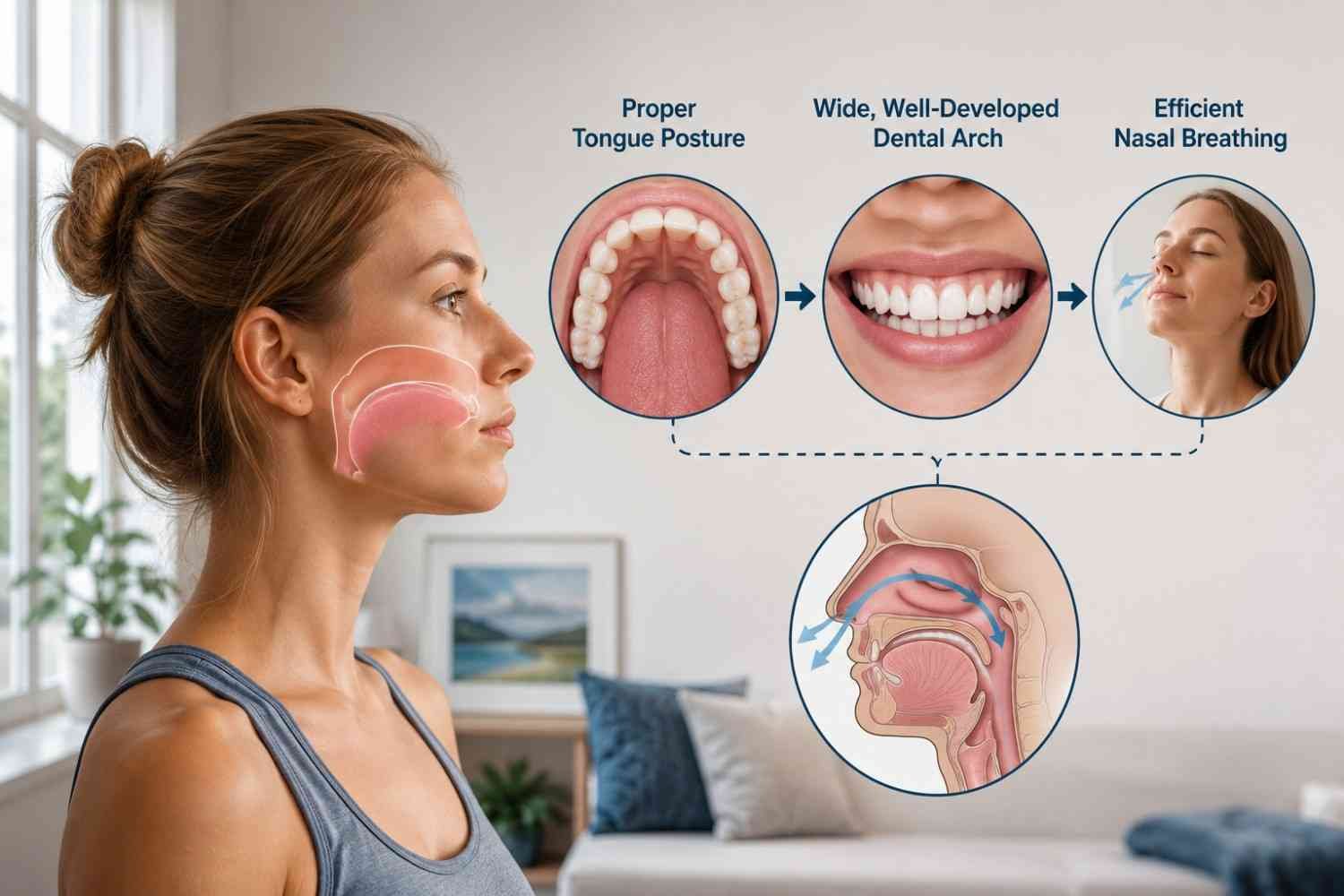
Set a recurring 60-minute chime on your workstation. When it sounds, drop your shoulders away from your ears, let your tongue rest flat against the roof of your mouth to unclench your jaw, and perform five slow chin tucks.
For an additional low-impact movement option during work breaks, exploring the benefits of using small weights in Pilates can introduce gentle resistance exercises that support muscle engagement and movement variety.
Protect Your Eyes With Screen Lighting And The 20-20-20 Rule
Staring at high-contrast code or spreadsheets locks your ciliary eye muscles in constant contraction. Following the American Optometric Association 20-20-20 rule relieves this strain: every 20 minutes, look at an object at least 20 feet away for 20 seconds.
Match your monitor brightness to your ambient room lighting so your screen never glows like a spotlight in a dim office. Keep your workspace cool and slightly humidified, as dry air accelerates imperceptible fluid loss through respiration. Understanding how blue light at night disrupts circadian rhythm also helps you schedule warmer display color temperatures after sunset, preventing late-evening eye strain from wrecking tomorrow’s recovery.
Frequently Asked Questions
1. How much water should I drink per hour while working at a desk?
Aim to sip 4 to 8 ounces of water every hour during steady desk work, adjusting upward if your office is warm or dry.
2. Why do I still get headaches even when I drink plenty of water?
Lingering headaches usually stem from electrolyte dilution, subconscious jaw clenching, uncorrected screen glare, or skipping protein-rich meals.
3. Does coffee dehydrate you during long work sprints?
Moderate coffee intake still contributes to your daily fluid count, though pairing each cup with water prevents caffeine-induced jitters and tension.
4. What is the fastest way to stop a dehydration headache at work?
Drink 12 to 16 ounces of water mixed with electrolytes over 15 minutes, step away from screens, and relax your neck and jaw muscles.
Stop Letting Thirst Wreck Your Best Coding And Writing Sprints
Your brain cannot run high-performance software on a dehydrated chassis. Waiting until your mouth feels like cotton or your temples start throbbing means you have already surrendered hours of peak cognitive output.
Fill a 24-ounce bottle right now, drop in a pinch of sea salt and lemon, and set it beside your mouse. Pair your very next Pomodoro timer with three slow sips and a quick shoulder drop—your future self at 4:00 PM will thank you.