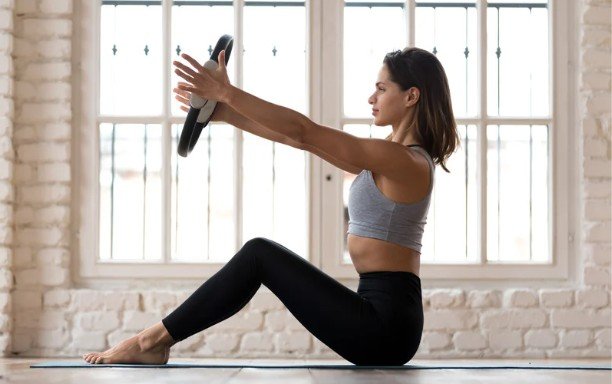
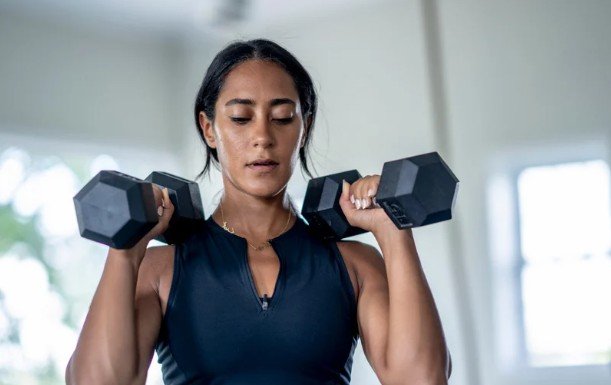
Pilates is a popular form of exercise that emphasises core strength, flexibility, and overall body awareness. While traditional Pilates relies primarily on body weight and controlled movements, incorporating equipment such as small weights can enhance the effectiveness of Pilates workouts.
This article explores the key benefits of using small weights in Pilates practice, providing insight into how they contribute to improved results.
Enhancing Muscle Strength
Small weights add resistance to Pilates exercises, which helps in developing muscle strength. Pilates movements typically involve precise, slow, and controlled actions, and adding small weights increases the muscle activation required to perform these movements. This additional challenge can lead to greater strength gains compared to bodyweight exercises alone.
The controlled nature of Pilates combined with the extra resistance improves muscle tone without the bulk that might result from heavy weight training. This makes small weights ideal for those seeking a lean and toned physique.
Improving Endurance
Regularly integrating small weights into Pilates routines can enhance muscular endurance. Since Pilates exercises are often isotonic contractions involving continuous movement, the addition of weights forces muscles to work longer and harder. Over time, this builds stamina and delays muscle fatigue during workouts.
Supporting Joint Stability
Pilates focuses extensively on core stability and joint alignment. Using small weights during exercises further engages stabiliser muscles around the joints, especially in the shoulders, hips, and knees. Strengthening these muscles contributes to better joint stability and reduces the risk of injury during physical activity.
Increasing Caloric Burn
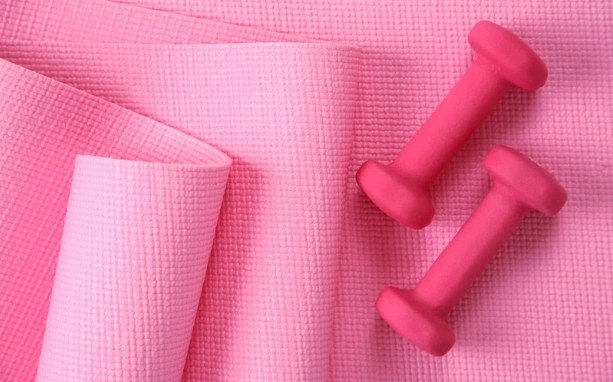
Resistance training, even with small weights, can elevate the intensity of a Pilates session. This higher intensity increases the number of calories burned during and after exercise. For individuals aiming to manage weight or improve body composition, incorporating small weights can make a noticeable difference in energy expenditure.
Enhancing Bone Density
Weight-bearing exercises are shown to aid in maintaining and improving bone density. Using small weights during Pilates provides a mild but consistent impact on bones, stimulating bone growth and strength. This benefit is particularly important for older adults to help combat osteoporosis and maintain bone health.
Facilitating Better Posture
Good posture is a fundamental principle of Pilates. By incorporating small weights, muscles responsible for holding correct postural alignment face an additional challenge. This helps in reinforcing postural muscles, promoting improved posture both during exercise and in daily activities.
Promoting Flexibility and Control
One of the hallmarks of Pilates is the emphasis on flexibility and controlled movement. Using small weights does not compromise these aspects. Instead, it encourages better control, as muscles must maintain stability while managing the added load. This results in enhanced body awareness and better movement efficiency.
Customisable Intensity
Small weights come in various sizes and weights, allowing Pilates practitioners to adjust the resistance according to their fitness level and goals. Beginners can start with lighter weights and gradually increase as their strength improves, while experienced practitioners can use heavier weights to challenge themselves further.
Convenience and Accessibility
Small weights are portable, affordable, and easy to incorporate into Pilates routines at home or in the studio. Their compact size makes them an accessible option for individuals who want to add resistance training without investing in bulky gym equipment.
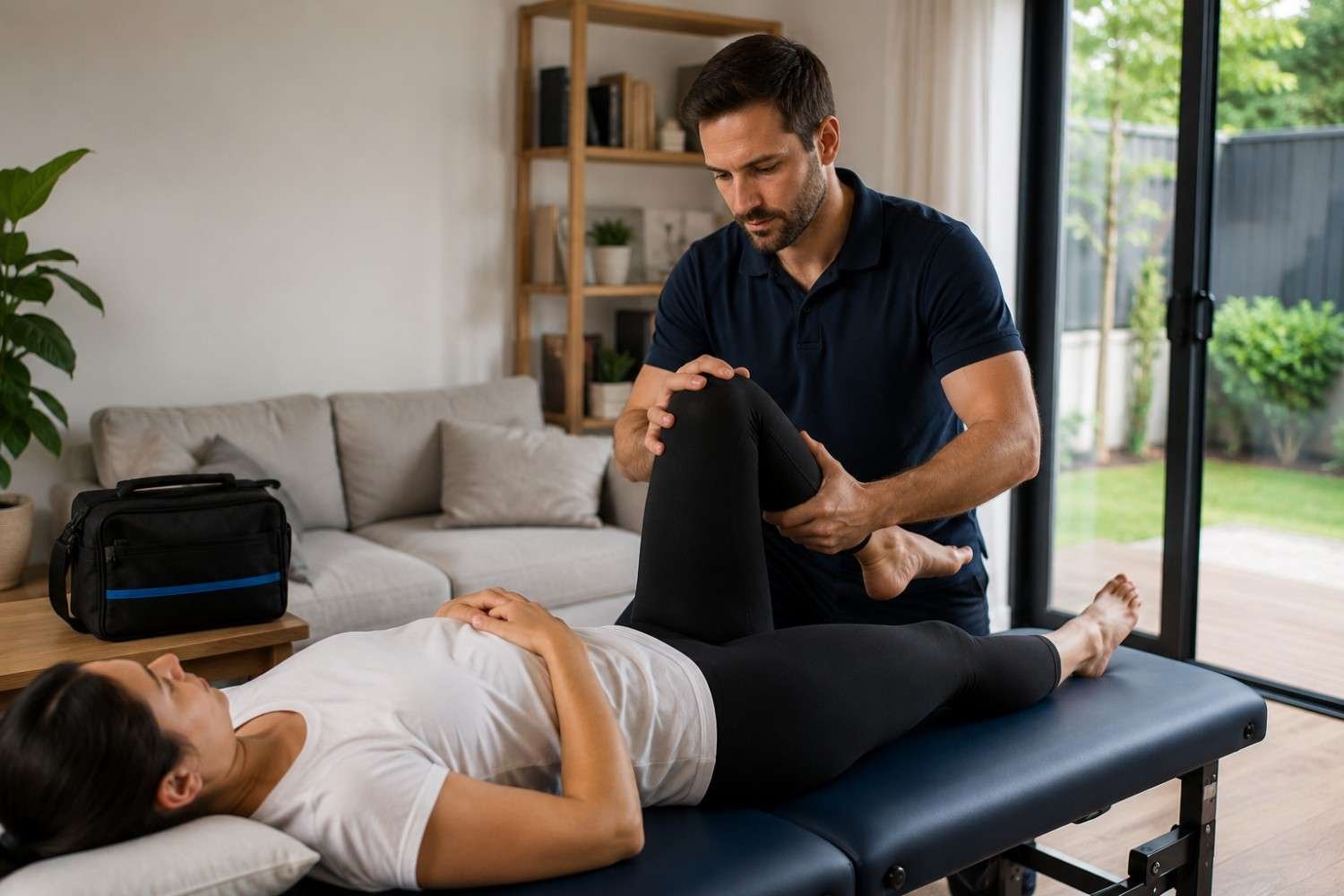
For those seeking personalised guidance at home, exploring the benefits of GenPhysio mobile physiotherapy services may help them find support suited to their needs.
Enhancing Rehabilitation
Pilates is frequently employed in rehabilitation settings due to its low-impact nature. Adding small weights allows therapists to gradually increase muscle load in patients, facilitating strength recovery without risking injury. This approach supports a safer and more effective recovery process.
Encouraging Mind-Body Connection
Pilates is centred around the connection between mind and body. The addition of small weights demands increased concentration to maintain proper form and control during each exercise. This focus promotes greater body awareness and mindfulness throughout the workout.
Targeting Specific Muscle Groups
Small weights enable targeted strengthening of particular muscle groups. For example, wrist or ankle weights can be used to isolate smaller stabilising muscles that might not be sufficiently activated during standard bodyweight exercises. This targeted approach can help address muscle imbalances and weaknesses.
Complementing Other Forms of Exercise
Using small weights in Pilates complements other fitness routines, such as cardiovascular or high-intensity training, by promoting balanced muscle development and reducing the risk of injury. Pilates with added weights supports overall functional fitness, enhancing performance in various physical activities.
Encouraging Consistent Progress
Progressing in Pilates practice requires continually challenging the muscles. Integrating small weights introduces a straightforward method to increase intensity and promote strength gains without drastically altering the exercise routine. This encourages practitioners to remain engaged and experience steady improvement over time.
Conclusion
The use of small weights in Pilates offers numerous benefits, including increased muscle strength, improved endurance, better joint stability, enhanced posture, and greater caloric burn.
They also provide a safe and accessible way to build bone density, promote rehabilitation, and maintain flexibility and control. By incorporating small weights into Pilates sessions, individuals can experience a more effective and varied workout tailored to their specific fitness needs and goals.