
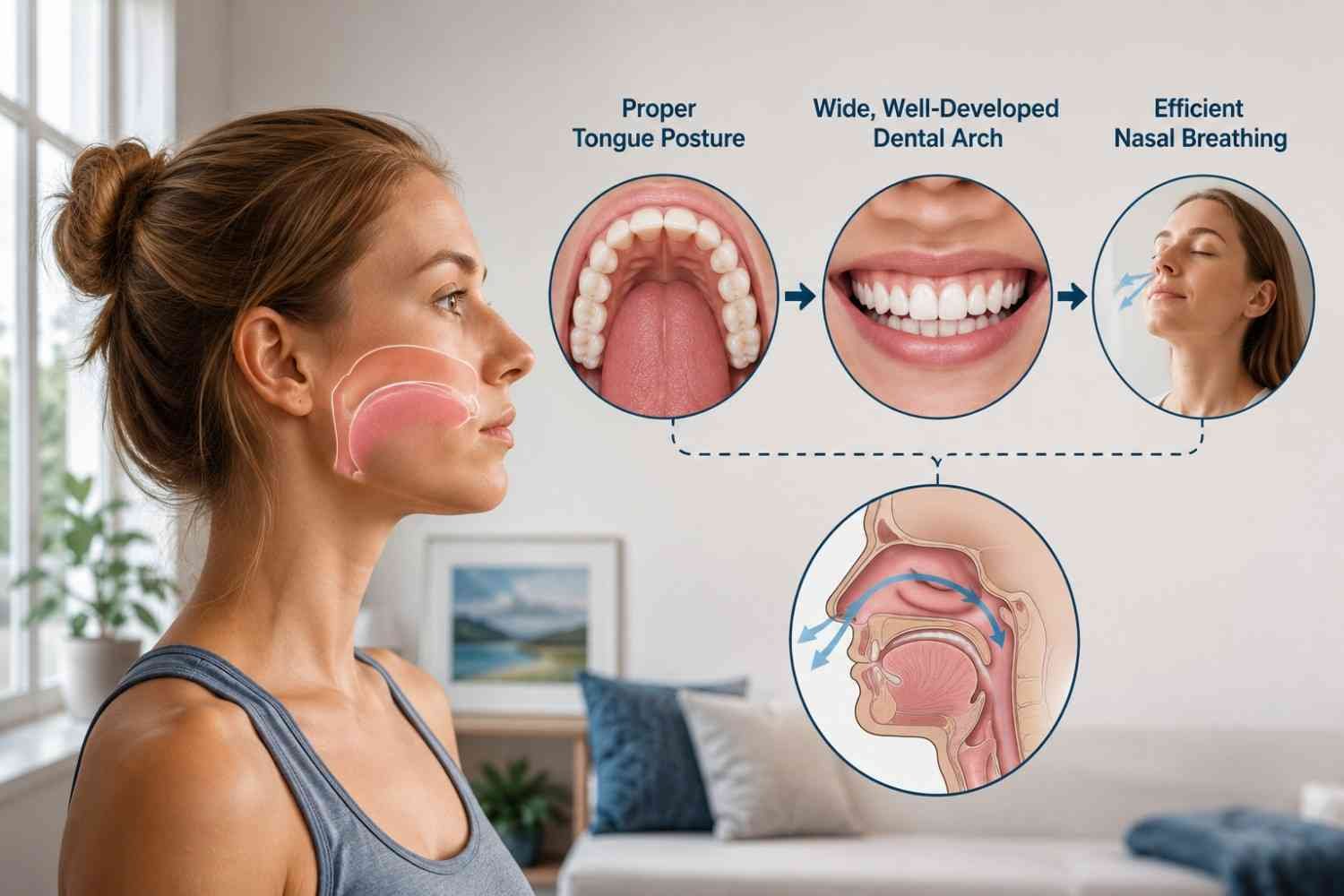
The Silent Architect of Your Oral Health
The tongue, often overlooked in discussions about dental health, functions as a remarkably powerful force in shaping the structure of the mouth and influencing respiratory function. This muscular organ, which rests against the roof of the mouth for most of the day, exerts constant gentle pressure that plays a crucial role in determining the width and shape of the dental arch. A dentist Leatherhead knows that understanding the relationship between tongue position and oral development offers valuable insights into why some individuals experience crowded teeth, narrow palates, and compromised breathing patterns whilst others maintain optimal dental alignment throughout their lives.
Modern research has revealed that the tongue’s resting position serves as far more than a passive placement. When positioned correctly against the palate, the tongue acts as a natural orthodontic appliance, encouraging proper maxillary expansion and supporting the development of a broad, well-formed dental arch. Conversely, when the tongue habitually rests in a low position within the mouth, it fails to provide this essential structural support, potentially leading to a cascade of developmental concerns that extend well beyond aesthetics.
Understanding Proper Tongue Posture
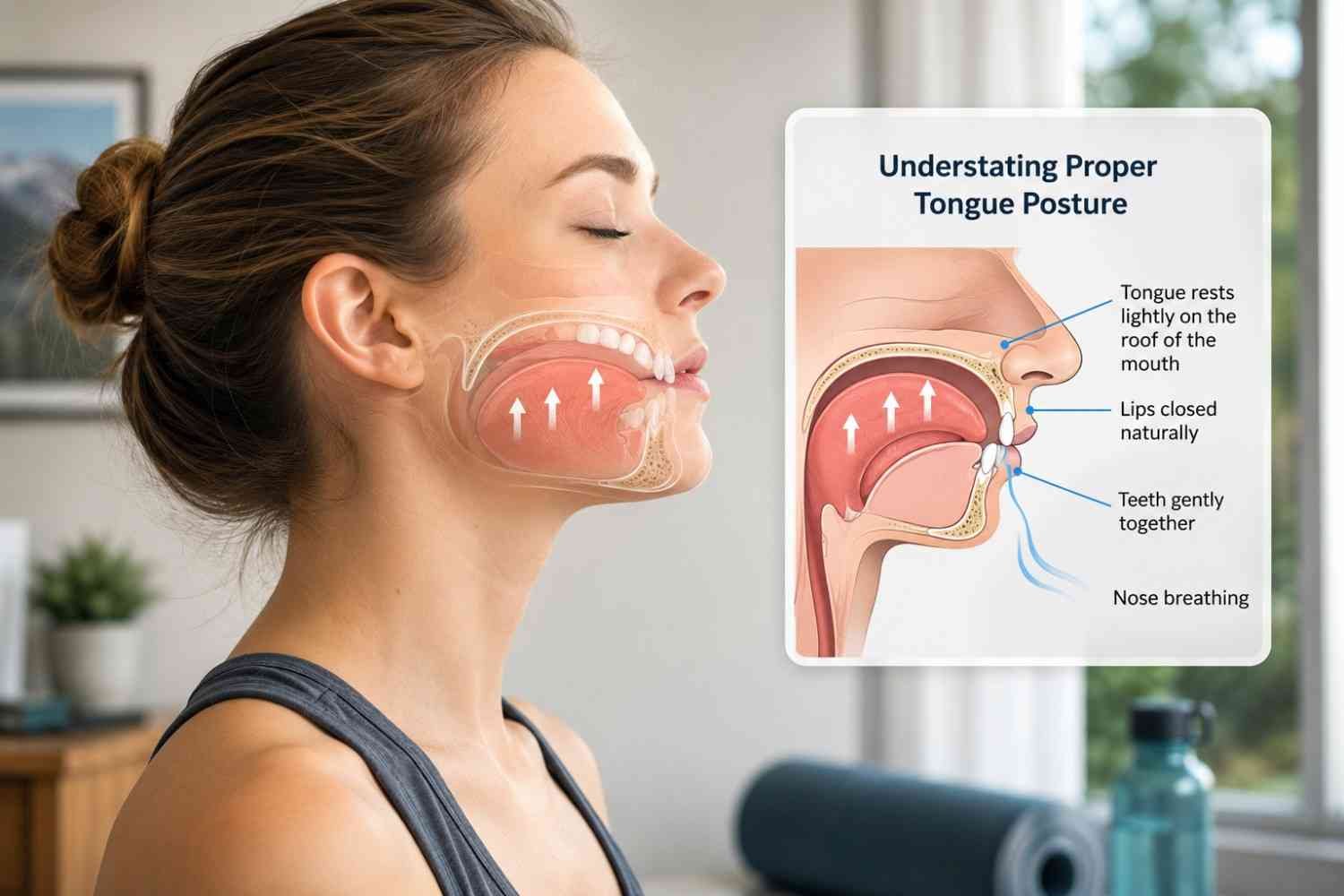
Correct tongue posture involves the entire tongue resting gently against the roof of the mouth, with the tip positioned just behind the front teeth without touching them. This position, known as the “tongue-up” posture, should be maintained during rest, swallowing, and even during sleep. The gentle upward pressure created by this positioning encourages the maxilla to develop horizontally, creating sufficient space for all teeth to erupt properly and align naturally. Specialists, including dental practitioners and myofunctional therapists across the country, increasingly recognise this fundamental principle in their approach to preventive care.
The mechanics of proper tongue posture extend to the entire orofacial complex. When the tongue maintains its correct position, the lips naturally close without strain, nasal breathing becomes the default pattern, and the relationship between tongue position and long-term facial development becomes evident through improved skeletal growth patterns. This interconnected system demonstrates how a single aspect of oral function can influence multiple aspects of craniofacial development simultaneously.
The Impact on Dental Arch Development
The dental arch develops most significantly during childhood and adolescence, with the tongue serving as the primary internal scaffolding that determines its ultimate shape. When the tongue consistently rests against the palate, it creates a natural expansive force that works in harmony with the outward pressure from the lips and cheeks. This balanced pressure system encourages the maxilla to grow transversely, resulting in a U-shaped arch with ample room for all permanent teeth. Children who maintain proper tongue posture typically require less orthodontic intervention and demonstrate more harmonious facial proportions as they mature.
In contrast, individuals with low tongue posture often develop V-shaped dental arches characterised by crowding, crossbites, and insufficient space for tooth eruption. The absence of upward pressure from the tongue allows the lateral walls of the maxilla to collapse inward, creating a narrow palate that cannot accommodate the full complement of teeth. This structural deficiency frequently necessitates tooth extractions or palatal expansion procedures to create the space that proper tongue posture would have naturally provided.
Breathing Efficiency and Airway Health

Beyond dental considerations, tongue posture profoundly influences respiratory function and overall airway health. The tongue-up position naturally encourages nasal breathing, which filters, humidifies, and warms incoming air whilst promoting optimal oxygen exchange. Research exploring the physiological connections between oral posture and respiratory function has demonstrated significant correlations between tongue position and airway patency.
Conversely, low tongue posture often correlates with mouth breathing, a pattern associated with numerous health concerns including dry mouth, increased susceptibility to oral infections, and compromised sleep quality. The position of the tongue directly affects the size and shape of the airway passage, with proper positioning helping to maintain an open, unobstructed respiratory pathway even during sleep.
Practical Applications and Professional Guidance
Addressing tongue posture concerns often requires professional assessment and intervention. Myofunctional therapy, which focuses on retraining the muscles of the face and mouth, has emerged as an effective approach for establishing proper tongue posture habits. Practitioners utilising comprehensive postural integration techniques work with patients to develop awareness and muscular strength necessary for maintaining optimal tongue position throughout the day and night. These healthy habits also reinforce broader principles of how to maintain physical health, as proper breathing patterns, muscle function, and posture all contribute to overall wellbeing.
The Path Forward
Recognition of tongue posture’s influence on dental and respiratory health represents a significant advancement in preventive care approaches. By understanding and addressing tongue position early, individuals can support optimal dental arch development and breathing efficiency, potentially avoiding complex interventions later in life.