

Renting a vehicle for an international trip promises the ultimate freedom—the chance to bypass packed tour buses, stick to your own schedule, and explore hidden backroads at your own pace. However, that enticing base rate you see on aggregate travel sites can be incredibly deceptive.
Many global travelers discover too late that the price they booked online is merely an entry ticket to a gauntlet of upsells, administrative fees, and unexpected holds. To truly keep your vacation budget intact, you need to understand the structural mechanics of international car rentals and learn how to identify hidden fees before they drain your credit limit.
Navigating upfront holds and financial blockages
When you approach the pickup desk in a foreign hub, one of the first hurdles you face is the mandatory security deposit. Traditionally, rental agencies place a massive financial hold on your credit card—frequently ranging from $500 to $2,500—to guard against unpaid traffic violations, toll fees, or minor scratches. This doesn’t just tie up your available credit; for those with strict card limits, it can entirely freeze your funding for dining, lodging, and emergency use during the trip.
Fortunately, certain highly competitive global travel hubs have adapted to give tourists a reprieve from this bottleneck. For instance, finding a reliable car rental in Dubai with no deposit has become a highly sought-after strategy for modern travelers looking to maintain their financial liquidity.
Providers in these regions frequently waive the traditional frozen credit hold in favor of localized insurance packages, all-inclusive upfront pricing, or basic debit authorizations. Navigating this hurdle requires analyzing the company’s terms beforehand to ensure they accept your specific payment method and don’t require an astronomical credit cushion upon arrival.
Decoupling the insurance overlap trick
The rental desk is a high-pressure sales environment, and corporate agents are heavily incentivized via commission to sell you in-house insurance policies. They often leverage fear tactics, warning you about the local country’s aggressive drivers or complex liability laws, pushing “Super Collision Damage Waiver (CDW)” or zero-deductible policies that can easily double your daily rental costs.
To beat this trick, do your homework before you step off the plane:
- Premium Credit Cards: Many high-tier credit cards offer primary or secondary international rental coverage automatically, provided you book the entire reservation on that specific card.
- Third-Party Standalone Policies: Buying an independent excess-insurance policy through a standalone provider during your booking stage is routinely up to 70% more cost-effective than buying cover at the desk.
The Trade-Off: If you firmly decline the agency’s internal zero-deductible coverage because you have your own standalone policy, know that the agency will almost certainly enforce their maximum credit card security hold. Ensure your card limit can handle it.
Dismantling the fuel policy and mileage anomalies
Fuel and mileage traps are simple math games designed to catch weary, jet-lagged travelers off guard. The most predatory structural model used by budget operators is the “Full-to-Empty” (or Prepaid Fuel) policy. The agent offers you the “convenience” of buying a full tank of gas from them at a supposedly competitive local market rate, allowing you to bring the vehicle back completely empty.
In reality, it is virtually impossible to return a vehicle with a bone-dry tank. Any fuel left inside the vehicle when you drop it off turns into pure, effortless profit for the agency. Conversely, if you decline the prepaid option and return a “Full-to-Full” vehicle missing even an eighth of a tank, they will levy an exorbitant refueling service fee alongside gas priced at triple the street rate.
Understanding these policies is an important part of effective vehicle management system practices, helping business travelers and fleet managers control fuel expenses, reduce unnecessary charges, and improve overall transportation cost management.
Predatory Policy: Full-to-Empty (Prepaid) ──> You pay for a full tank upfront ──> Unused fuel is pocketed by the agency.
Optimal Policy: Full-to-Full ──> You receive it full ──> Top off within 10km of return & keep receipt.
Similarly, a cheap daily rate is often a smokescreen for highly restrictive daily mileage caps. Exceeding a 200-kilometer daily limit by taking a long-distance scenic route can result in steep overage penalties per kilometer, rapidly driving up your final bill. Always aim for unlimited mileage packages if you intend to travel between distant cities.
Tracking electronic tolls, border fees, and localized dynamic costs

Modern infrastructure relies heavily on automated tracking, which can easily translate to unexpected post-trip credit card deductions. Many countries utilize electronic transponder decals (such as Salik tags in the UAE, Telepass in Italy, or E-ZPass in the US) to log highway tolls. Rental companies frequently charge a convenience fee per day just for having the transponder active in the car, on top of the actual toll cost.
Furthermore, driving across international borders or into restricted environmental zones requires specific permits. If you fail to notify the rental company that you intend to cross a border, your basic insurance coverage could be instantly voided, leaving you completely liable for any mechanical issues or accidents.
Conclusion: Securing a transparent road trip
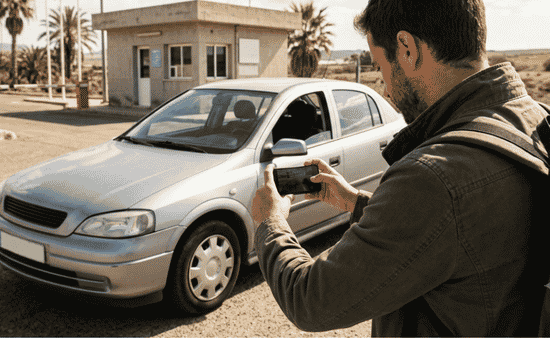
Protecting your vacation capital from predatory desk strategies simply requires systematic due diligence. Always photograph every inch of the vehicle’s interior and exterior during pickup and drop-off, making sure your photos are time-stamped to protect yourself against fraudulent wear-and-tear claims.
If you are aiming to preserve your capital on your next journey, focusing your search on affordable economy cars in Dubai or equivalent cost-conscious fleets worldwide ensures a much more manageable base rate. By selecting a transparent “Full-to-Full” fuel contract, verifying your credit card’s built-in insurance parameters ahead of time, and maintaining clear communication regarding border restrictions, you can completely eliminate unexpected financial surprises and enjoy a smooth, stress-free drive abroad.