A few years ago, I noticed that my home felt cluttered and overwhelming. Too many decorations, unnecessary furniture, and random items made my space feel chaotic rather than relaxing.
That was when I started exploring minimalist design ideas. Instead of filling my home with more things, I focused on simplifying my space. The result was surprising. My home felt calmer, more organized, and visually beautiful.
Minimalist design is not about empty spaces. It is about intentional choices that make your home functional, peaceful, and visually balanced.
In this guide, I will share practical minimalist decorating ideas that helped me transform my home.
What Is Minimalist Design
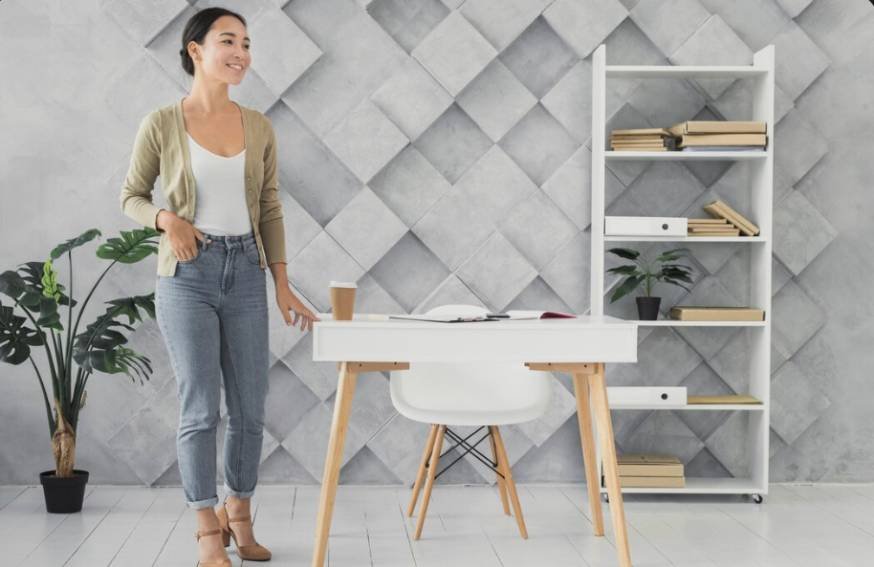
Minimalist principles of design focuses on simplicity, functionality, and clarity. Instead of decorating with many items, minimalist interiors use fewer pieces that serve a clear purpose.
Minimalist homes often include:
- neutral color palettes
- clean furniture lines
- open spaces
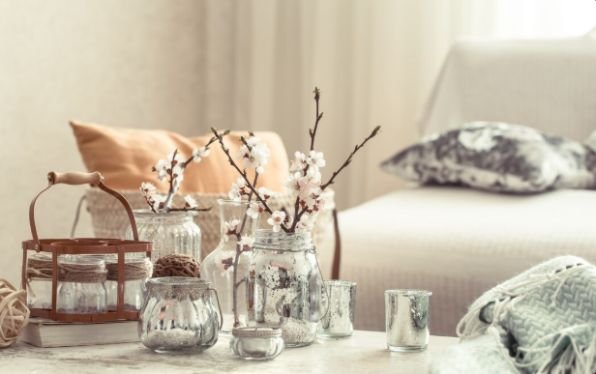
- limited decorations
The goal is to create a calm environment where every item contributes to the overall design.
Why Minimalist Design Is Becoming Popular
Many people are adopting minimalist interiors because modern life already feels busy and overwhelming. A clutter-free home can help reduce stress and improve focus.
Minimalist spaces also make homes feel larger and brighter. By removing unnecessary objects, natural light and architectural elements become more noticeable.
Another reason minimalist design is popular is that it encourages thoughtful purchasing. Instead of buying many decorative items, people invest in a few high-quality pieces.
10 Minimalist Design Ideas to Transform Your Home
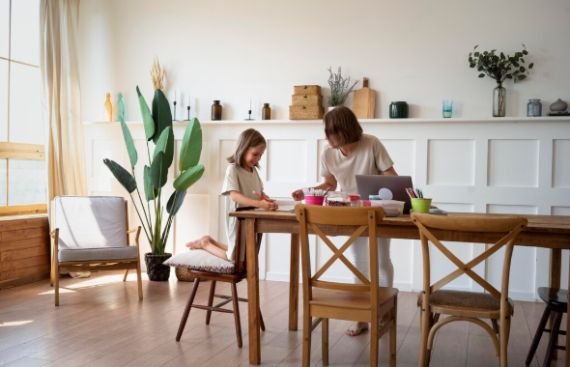
Use Neutral Color Palettes
Neutral colors such as white, beige, gray, and soft earth tones create a calm and balanced environment.
When I redesigned my living room using neutral colors, the space instantly felt more open and relaxing.
Choose Functional Furniture
Minimalist interiors focus on furniture that serves a clear purpose.
Instead of filling a room with many pieces, choose furniture that combines style and functionality.
For example, a simple sofa with clean lines can define a living room without overwhelming the space.
Reduce Decorative Clutter
Minimalism encourages removing unnecessary decor.
When I started decluttering, I realized that many items were simply taking up visual space. Removing them allowed the room’s design to stand out.
Focus on Natural Light
Natural light plays a major role in minimalist design.
Large windows, light curtains, and reflective surfaces help brighten spaces and create an airy atmosphere.
Add Texture Instead of More Decor
Minimalist interiors do not need to feel empty. Texture can add warmth without adding clutter.Soft rugs, linen cushions, or wooden furniture can make a room feel comfortable while maintaining a simple aesthetic.
Use Statement Pieces
Minimalism does not mean removing personality from a space.Instead of many decorations, choose one or two statement pieces such as artwork, a designer chair, or a unique lamp.These items become focal points in the room.
Create Open Spaces
Minimalist interiors prioritize open layouts and breathing space between furniture.Leaving some empty areas in a room makes the space feel larger and more balanced.
Use Hidden Storage
Storage solutions are essential for maintaining a minimalist home.Furniture with built-in storage, such as storage benches or cabinets, helps keep everyday items organized and out of sight.
Keep Wall Decor Simple
Instead of covering walls with many decorations, minimalist spaces often feature a single artwork or framed photograph.This creates visual impact without overwhelming the room.
Bring Nature Indoors
Adding plants is a simple way to enhance minimalist interiors. Plants introduce natural color and life while maintaining the clean aesthetic of the space.
How I Started Decorating My Home With Minimalism
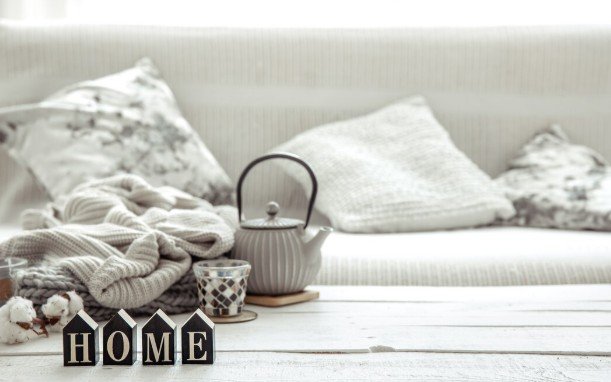
When I began exploring minimalist design ideas, I did not change everything at once. I started small. First, I removed unnecessary items from my living room. Then I replaced bulky furniture with simpler pieces.
I also focused on neutral colors and added only a few decorative elements. Over time, these small changes created a peaceful environment that felt much more intentional.
Common Mistakes People Make With Minimalist Decor
One common mistake is thinking minimalism means removing everything.
A minimalist home should still feel comfortable and personal. The goal is balance, not emptiness. Another mistake is ignoring functionality. Minimalist furniture should be practical and comfortable, not just visually simple.
Finally, some people forget to include texture and warmth, which can make minimalist spaces feel cold.
Simple Tips to Maintain a Minimalist Home
Maintaining minimalism requires consistent habits.
Regularly evaluate items in your home and remove anything that no longer serves a purpose.
Focus on quality over quantity when purchasing decor.
Most importantly, keep surfaces clear. Clean countertops and uncluttered spaces help maintain the minimalist aesthetic.
Frequently Asked Questions
1. What are minimalist design ideas for small homes?
Minimalist design ideas for small homes include using neutral colors, choosing multi-functional furniture, reducing clutter, and maximizing natural light.
2. How do I start decorating with minimalist design?
Start by decluttering your space and keeping only essential furniture and decor. Focus on neutral colors and simple design elements.
3. What colors work best for minimalist interiors?
White, beige, gray, and soft earth tones are commonly used in minimalist design because they create calm and open spaces.
4. Is minimalist design suitable for families?
Yes. Minimalist design can work well for families because it encourages organization and reduces unnecessary clutter.
Creating a Home That Feels Calm and Intentional
Minimalism changed the way I think about decorating. Instead of constantly adding new items, I now focus on creating spaces that feel calm, functional, and meaningful.
By applying these minimalist design ideas, you can create a home that feels spacious, organized, and visually balanced.
Even small changes can transform your living space into a relaxing environment that supports your lifestyle.