
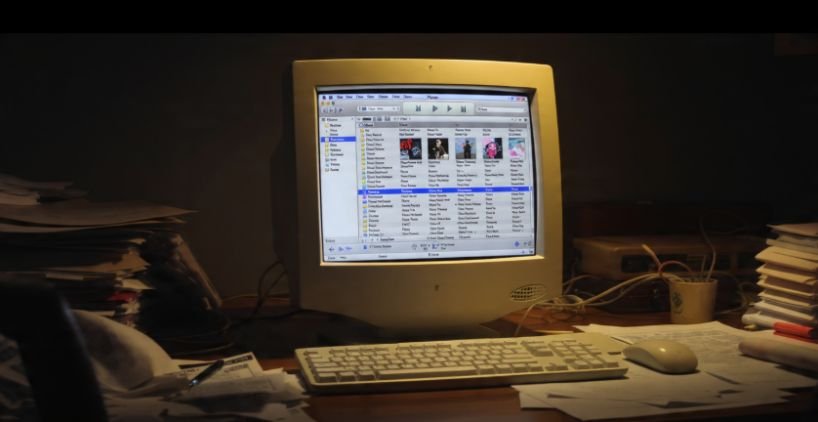
In July 2002, the Apple rumor mill was already spinning fast—but sometimes, the most interesting leaks didn’t come from insiders. They came directly from Apple itself. One such moment, highlighted by RandomMaccess, involved an accidental reference to iTunes 3 hidden in plain sight on Apple’s own QuickTime Streaming Server page.
At a time when Apple was rapidly evolving its digital music strategy, even the smallest hint of a new version carried huge significance.
The Accidental Leak That Sparked Buzz
The story begins with a seemingly ordinary product page promoting Apple’s streaming capabilities. But buried within the text was a line that caught sharp-eyed observers off guard:
“Build a playlist of MP3 files… and serve them to MP3 clients such as iTunes 3.”
That single mention was enough to confirm what had not yet been officially announced—Apple was preparing to release a new version of iTunes. According to reports, the reference was quickly removed after being noticed, suggesting it had indeed been published prematurely.
This wasn’t a deliberate teaser. It was a slip. And like many early-2000s Apple leaks, it spread quickly through tech communities.
Why iTunes 3 Mattered at the Time
To understand why this small leak created excitement, you have to look at where iTunes stood in 2002. First released in 2001, iTunes was still a relatively new product, but it was already becoming central to Apple’s digital strategy.
Version 3 would go on to introduce important features like smart playlists and improved music management—features that helped define how people organized digital music in the early 2000s.
At the time, Apple was also preparing for bigger moves in the music industry, including the eventual launch of the iTunes Store in 2003. The evolution of iTunes wasn’t just about software—it was about reshaping how music was consumed.
The Role of QuickTime and Streaming
The leak appearing on a QuickTime Streaming Server page wasn’t random. Apple’s ecosystem was already interconnected, with QuickTime playing a key role in media playback and streaming.
In 2002, Apple had just released QuickTime 6, adding support for MPEG-4 and improved streaming capabilities.
By referencing iTunes 3 in this context, the page hinted at deeper integration between streaming technologies and Apple’s music software. It suggested that iTunes wasn’t just a player—it was becoming part of a broader media platform.
Early Apple Leaks: Rare but Impactful
Unlike today’s constant stream of leaks, early Apple slip-ups were relatively rare. That’s what made them so impactful. When something surfaced—especially from Apple’s own website—it carried weight.
This particular leak is a great example of how even a single line of text could ignite speculation. It also showed how closely the Apple community was paying attention. Nothing went unnoticed.
A Glimpse Into Apple’s Growing Ecosystem
Looking back, the iTunes 3 reference represents more than just a minor leak. It reflects a pivotal moment in Apple’s evolution.
At the time, Apple was transitioning from a computer company into a digital lifestyle brand. iTunes was central to that shift, connecting hardware, software, and eventually online services.
The accidental mention of iTunes 3 hinted at the pace of innovation happening behind the scenes. Even before official announcements, Apple was already laying the groundwork for the next phase of its ecosystem.
The Bigger Picture: From Rumor to Reality
Soon after the leak, iTunes 3 was officially announced, confirming what the QuickTime page had revealed. The software introduced new features that would become standard in digital music management.
Over time, iTunes would grow into a massive platform, eventually incorporating video, apps, and a full digital storefront. It would dominate the music industry for years before being replaced by newer apps in 2019.
What started as a simple music player—and a small accidental leak—became one of the most influential pieces of software in modern tech history.
Final Thoughts: When Small Details Tell Big Stories
The iTunes 3 leak is a reminder that sometimes, the most interesting tech stories come from the smallest details. A single overlooked line on a webpage revealed a major upcoming release and sparked widespread discussion.
In today’s world of carefully controlled announcements and strategic leaks, moments like this feel almost nostalgic. They capture a time when discovery felt more organic—and when even Apple could accidentally reveal its next big move.