Walking into a workspace that feels organized, comfortable, and purposeful changes how people work. You notice it immediately. The lighting feels right, the desks are set up properly, and the technology just works without friction. Those small details quietly shape productivity. A workspace that supports focus, collaboration, and comfort rarely happens by accident.
Over the last few years, workplaces have shifted dramatically. Teams now split their time between offices and remote setups, meetings happen across screens, and productivity depends on both physical and digital tools working together. The smartest workspaces today combine thoughtful design, modern technology, and human-centric infrastructure. When those elements align, the entire office runs more smoothly.
Why Workspace Design Directly Affects Productivity
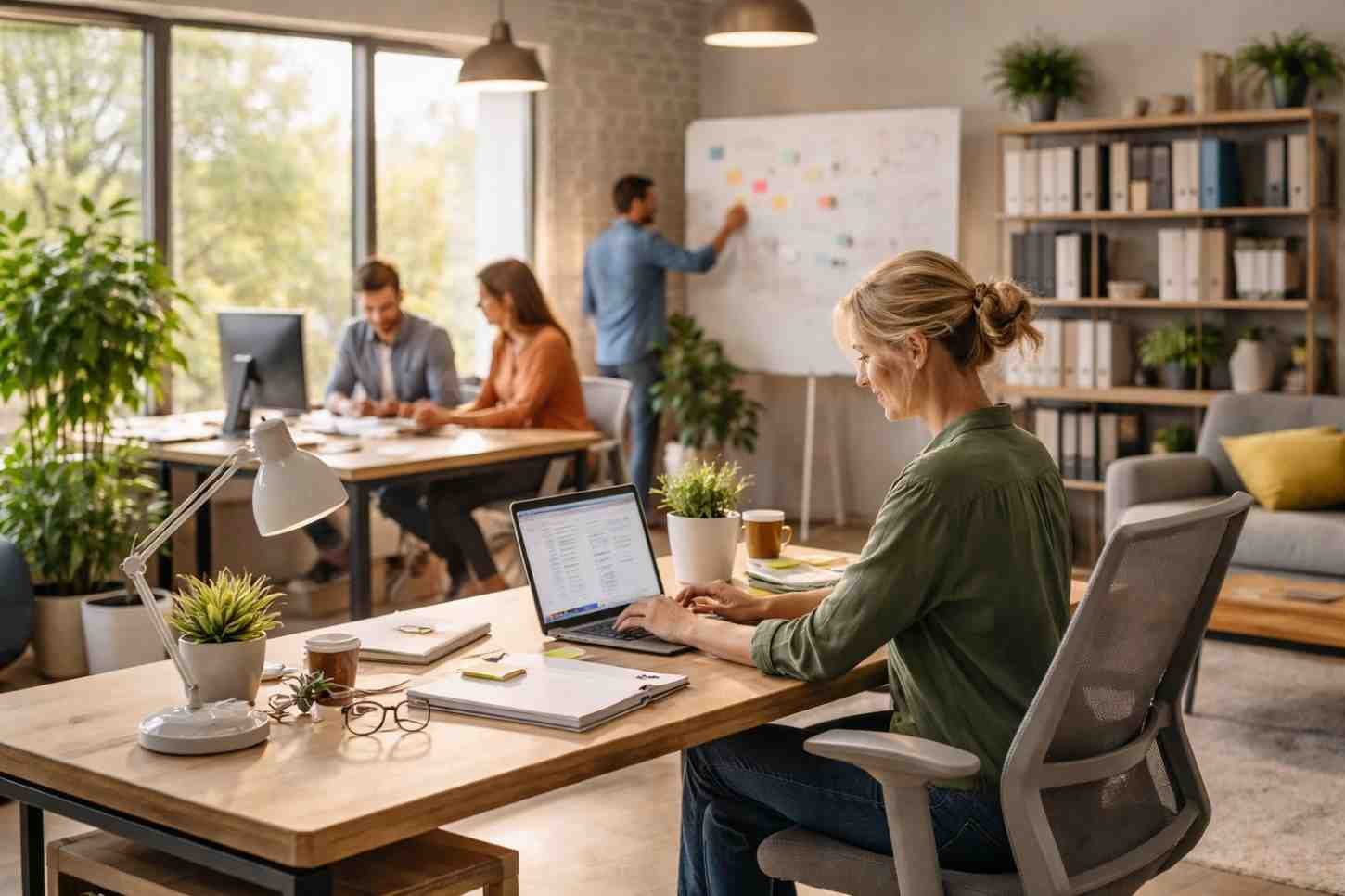
Workspace design influences how people think, collaborate, and stay focused during long workdays. Poor lighting, uncomfortable chairs, cluttered desks, and unreliable technology slowly drain productivity. On the other hand, well-designed work environments remove friction from daily work.
A productive office workspace balances three things: comfort, efficiency, and accessibility. Comfortable furniture prevents fatigue, efficient layouts reduce distractions, and accessible tools allow employees to complete tasks without interruptions.
Modern workplaces also prioritize flexibility. Instead of rigid layouts, offices now support multiple work styles. Some employees need quiet focus areas, while others need collaborative meeting zones. Designing spaces that support both creates a healthier workflow.
Intelligent Infrastructure That Runs In The Background
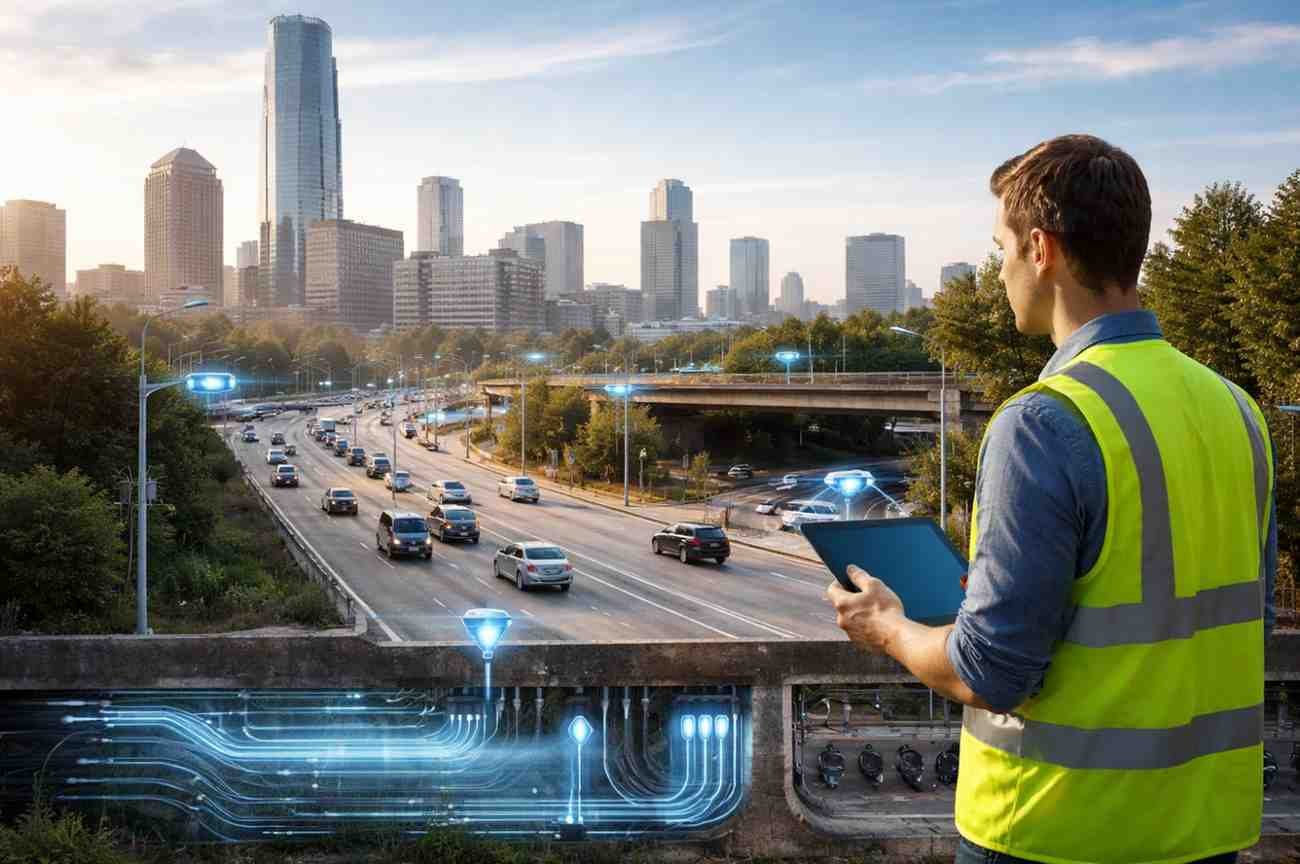
Smart offices rely on automation and intelligent systems to improve efficiency without constant manual adjustments. Environmental technology is becoming a quiet but powerful part of workplace productivity.
Smart lighting systems are one of the most practical upgrades. LED lighting combined with occupancy sensors automatically adjusts brightness depending on natural daylight and room usage. Besides lowering energy costs, better lighting helps employees maintain focus and reduces eye strain.
Climate control has also evolved. AI-powered thermostats learn usage patterns and adjust temperatures based on occupancy and time of day. This creates consistent comfort throughout the workspace while reducing unnecessary energy consumption.
Air quality is another factor that directly affects employee performance. Environmental sensors that monitor carbon dioxide levels, humidity, and air pollutants help maintain healthier workspaces. When air quality improves, employees experience less fatigue and better concentration during long work sessions.
Workstations That Support Long Hours Of Focus
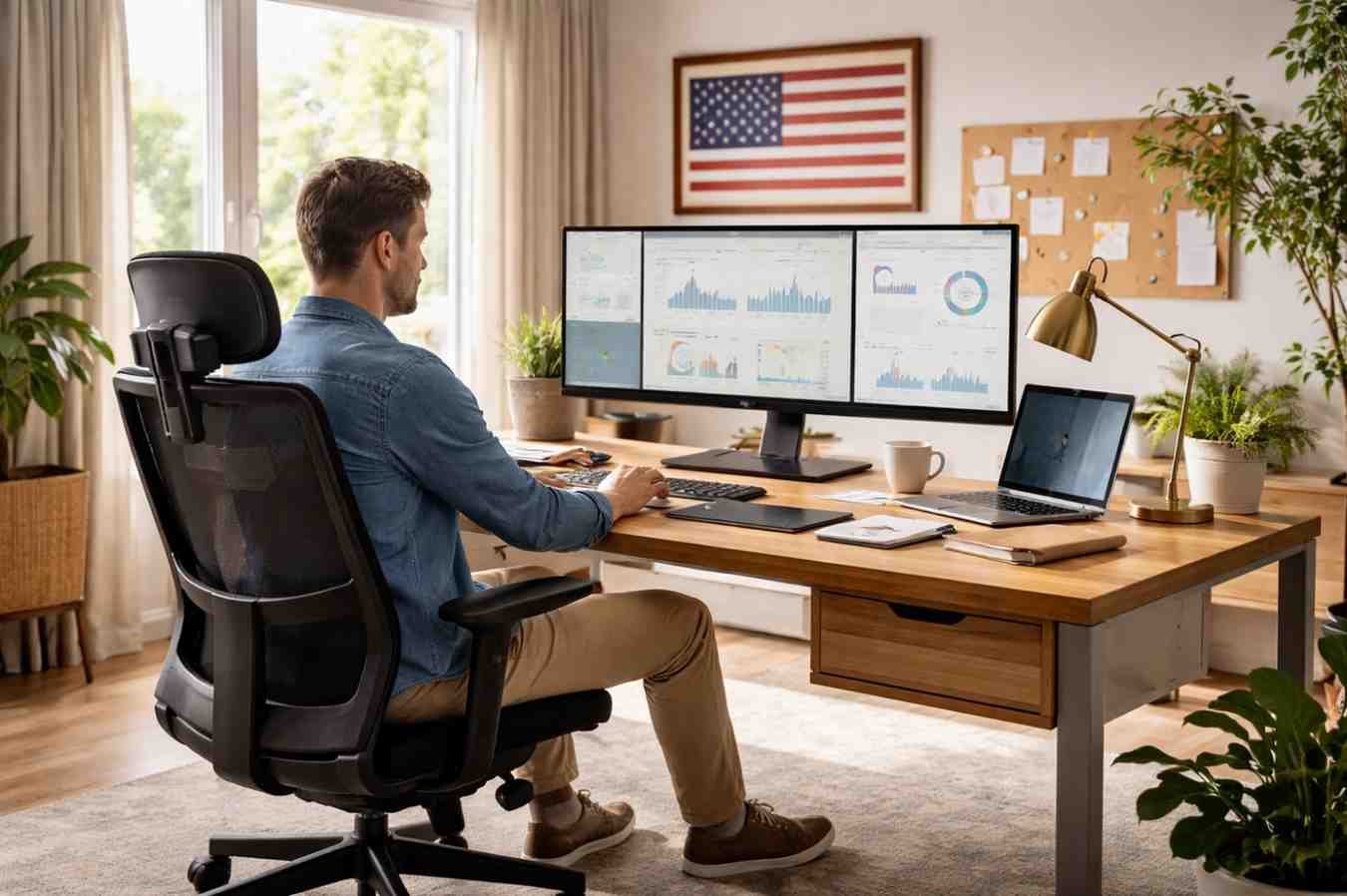
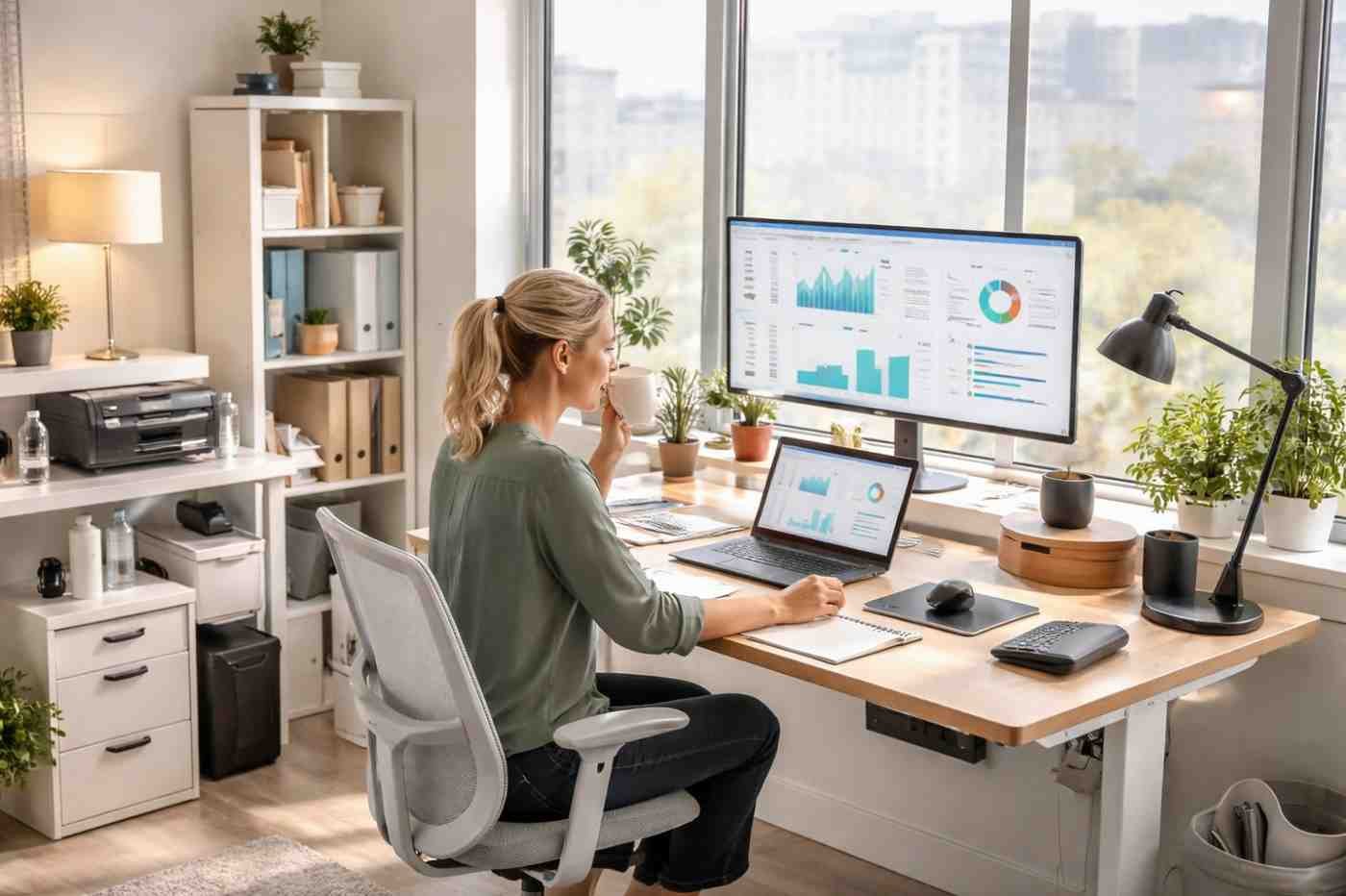
The desk is no longer just a surface for a laptop. Modern minimalist design ideas actively support posture, productivity, and workflow efficiency.
Height-adjustable smart desks have become a popular solution for long workdays. Sit-stand desks allow employees to alternate positions throughout the day, which helps reduce back pain and improve circulation. Many modern models also include integrated charging hubs, wireless charging pads, and programmable height presets.
Ergonomic chairs are equally important. Poor seating quickly leads to discomfort and long-term strain. High-quality chairs with lumbar support, adjustable armrests, and breathable materials help maintain healthy posture during extended periods of work.
Monitor setup also matters more than many people realize. Dual monitors or ultrawide displays expand screen space, allowing employees to manage multiple tasks simultaneously. Instead of constantly switching between tabs or applications, employees can keep essential information visible, which speeds up workflows.
Technology That Keeps Teams Connected
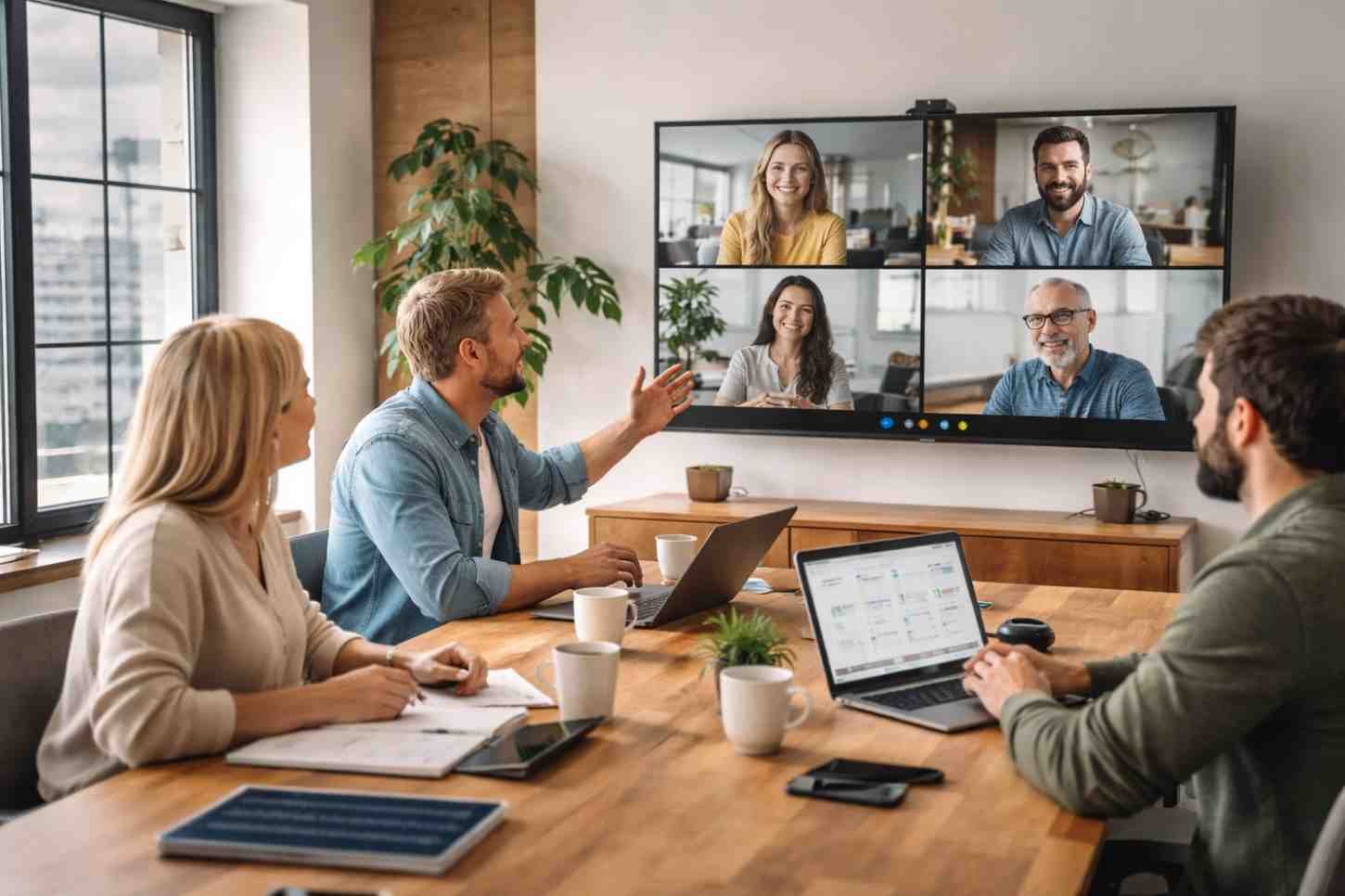
Collaboration has become more complex as teams spread across different locations. Offices now rely heavily on technology that allows seamless communication between remote and in-office employees.
Video conferencing systems have improved dramatically. High-definition cameras, wide-angle microphones, and smart whiteboards make virtual meetings feel more natural. Clear audio and visuals ensure everyone participates equally, regardless of where they are working.
Desk and meeting room booking platforms have also become essential in flexible workplaces. Instead of assigned desks, employees reserve workstations or meeting rooms through mobile apps. This approach prevents overcrowding while maximizing the use of office space.
These tools help teams coordinate schedules, manage meeting rooms efficiently, and avoid wasted time searching for available workspaces.
Smart Organization Systems That Reduce Clutter

An organized workspace removes unnecessary distractions and allows employees to focus on meaningful work. Cluttered desks and disorganized files create friction that slows down daily tasks.
A few practical organization tools make a significant difference:
- Cable management systems to prevent tangled wires around desks
- Vertical storage shelves to maximize office space
- Digital document management platforms for paperless workflows
- Secure smart lockers for hybrid employees storing personal items
Moving toward cloud-based document management systems also simplifies collaboration. Teams can access files from anywhere while maintaining secure document storage and version control.
Lighting And Environment That Support Focus
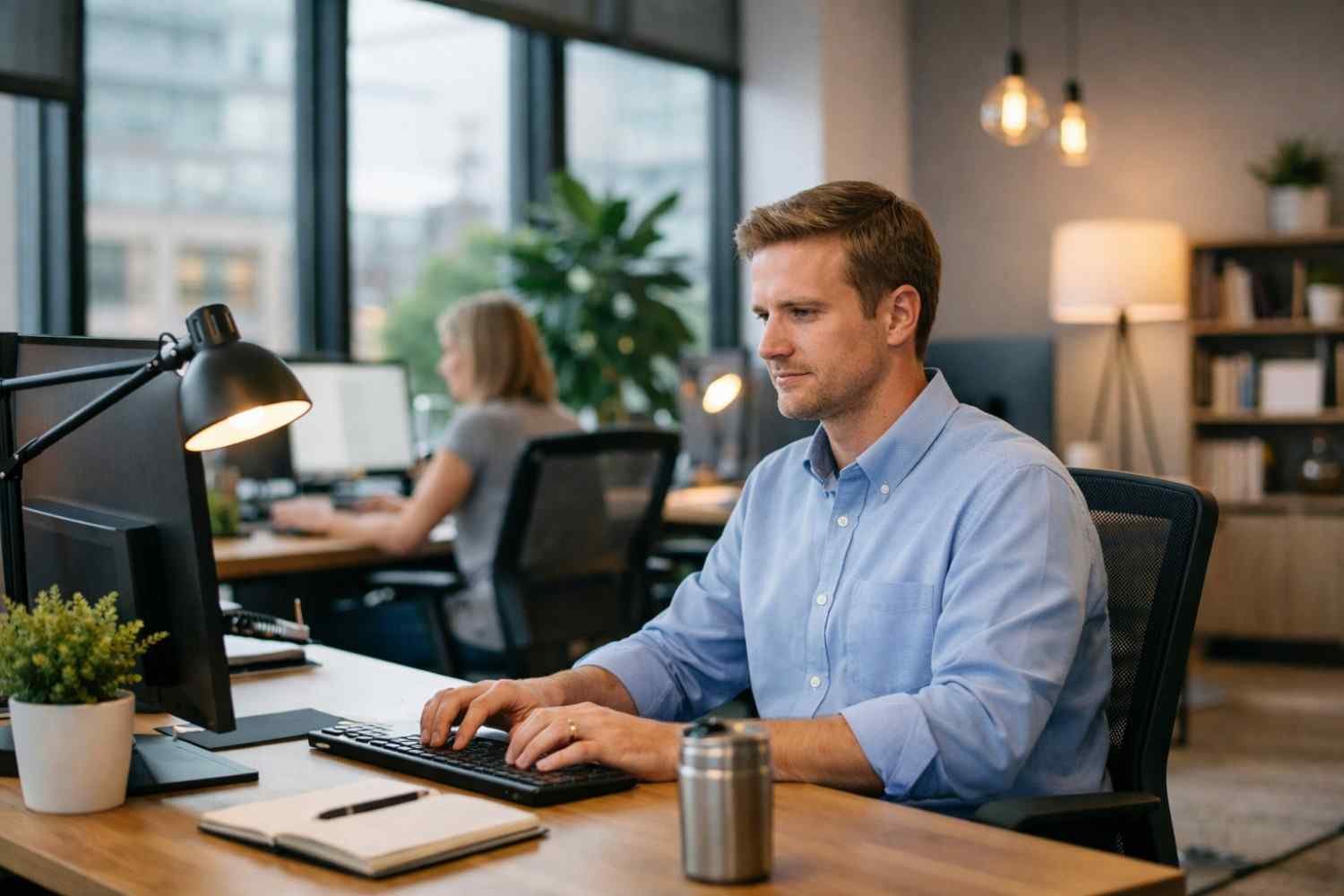
Lighting and environmental design play a subtle but powerful role in workplace productivity. Natural light improves mood and reduces fatigue, which is why many modern offices prioritize large windows and open layouts.
When natural light is limited, adjustable task lighting helps employees customize brightness for their workspace. This prevents eye strain and improves visibility during detailed work.
Biophilic design has also gained attention in workplace environments. Incorporating indoor plants, natural materials, and greenery can improve air quality while creating a calmer workspace. Plants such as snake plants or succulents require minimal maintenance while adding visual comfort to the office.
FAQs
1. What Every Office Needs To Improve Workplace Productivity?
Every office needs ergonomic furniture, reliable technology, proper lighting, organized storage systems, and collaborative meeting tools. These elements remove common distractions and support consistent productivity.
2. How Does Office Design Affect Employee Efficiency?
Office design influences comfort, focus, and collaboration. Poor lighting, uncomfortable furniture, and clutter can reduce productivity, while well-designed spaces support better workflow and concentration.
3. What Technology Should Modern Offices Have?
Modern offices benefit from smart lighting systems, AI climate control, collaboration software, video conferencing tools, and cloud-based document management platforms.
4. Why Are Ergonomic Workstations Important In Offices?
Ergonomic workstations reduce physical strain during long workdays. Adjustable desks, supportive chairs, and proper monitor positioning help maintain posture and prevent fatigue.
Final Thoughts
A smarter workspace does not come from one single upgrade. It develops when technology, design, and human needs work together. Offices that invest in ergonomic furniture, intelligent infrastructure, and flexible collaboration tools create environments where employees can focus without constant friction. Over time, these improvements lead to stronger productivity, better employee wellbeing, and smoother daily operations.
Small improvements often create the biggest impact. When workspaces support the way people actually work, efficiency follows naturally.