
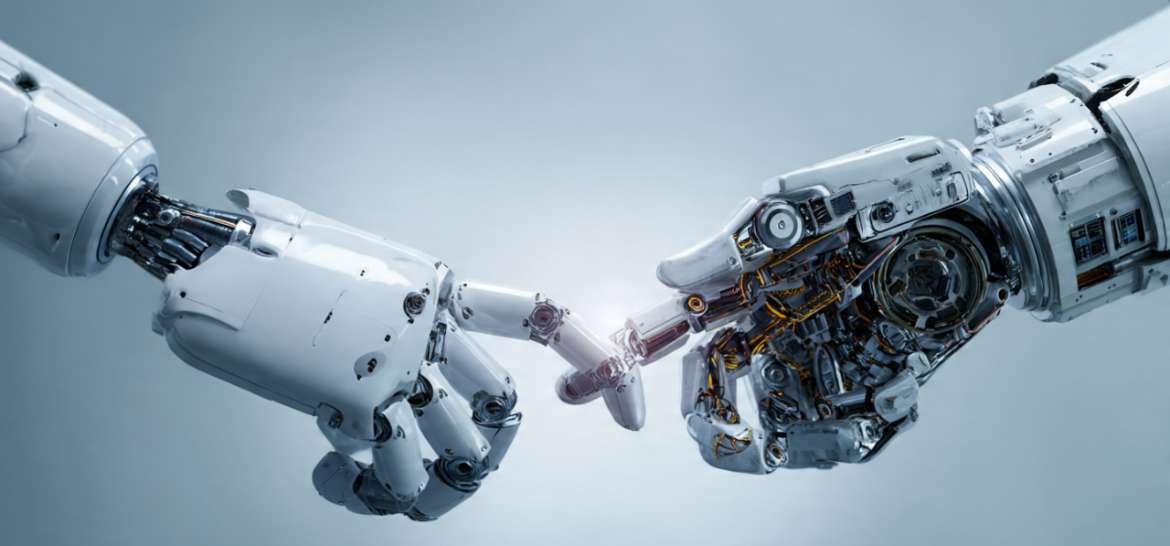
Automation is no longer limited to factories and manufacturing lines. With advances in artificial intelligence, robotics, and machine learning, many industries are beginning to automate tasks that were once handled entirely by humans. Because of this shift, many people are asking an important question: which jobs are at risk of automation in the coming years?
While automation brings efficiency and innovation, it also changes how work is performed. Some jobs may evolve with technology, while others may gradually disappear as machines take over repetitive tasks.
What Is Automation in the Workplace?
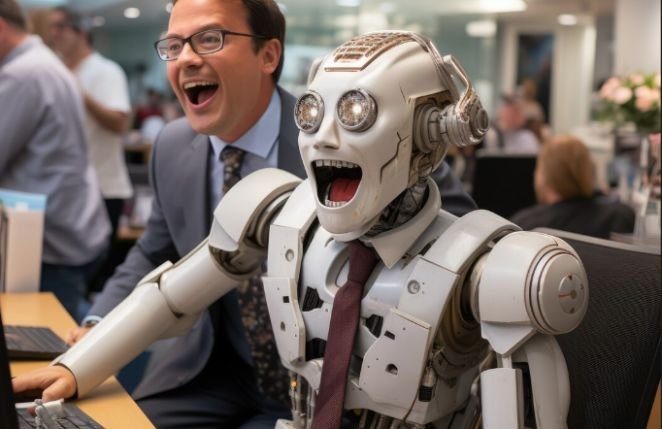
Automation refers to the use of technology to perform tasks with minimal human involvement. This can include robots, artificial intelligence systems, and automated software programs.
Businesses use automation to increase efficiency, reduce costs, and improve accuracy. Tasks that follow predictable patterns are the easiest to automate because machines can perform them consistently without errors.
Examples of how AI technology has changed workplace with automation include:
- Self-checkout systems in retail stores
- Chatbots that handle customer service questions
- Software that processes financial transactions
- Robots used in manufacturing and assembly
As these technologies improve, more industries are exploring automation to streamline their operations.
Why Some Jobs Are More Vulnerable to Automation
Not all jobs face the same level of risk. Automation typically affects roles that involve repetitive, predictable, and rule-based tasks.
Jobs with these characteristics are easier for machines to replicate because they rely on structured processes rather than human judgment.
Key factors that increase automation risk include:
- Repetitive daily tasks
- Data processing or calculations
- Predictable decision-making processes
- Limited need for creativity or emotional interaction
Roles that involve complex problem-solving, creativity, and interpersonal communication are generally harder to automate.
Jobs That Are Most at Risk of Automation
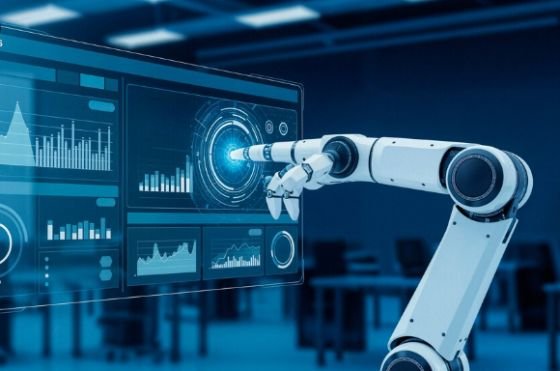
Several industries have already started integrating automation technologies. Some jobs within these sectors are more likely to change significantly.
Data Entry Clerks
Data entry involves repetitive tasks such as inputting information into databases or spreadsheets. Automation software can now process large amounts of data quickly and with fewer errors.
Many companies already use automated data processing systems to reduce manual entry.
Customer Service Representatives
Basic customer support tasks are increasingly handled by AI chatbots and automated systems.
While human representatives still manage complex cases, many routine inquiries such as order tracking or account questions are now answered by automated tools.
Manufacturing and Assembly Workers
Manufacturing has used automation for decades, but modern robotics has significantly expanded its capabilities.
Robots can assemble products, inspect quality, and transport materials with high efficiency.
Cashiers and Retail Workers
Self-checkout machines and digital payment systems are reducing the need for traditional cashier roles in many stores.
Although human employees still assist customers, automation is gradually replacing routine checkout tasks.
Jobs Less Likely to Be Automated
While some roles face automation risks, many professions rely heavily on human creativity, empathy, and complex thinking.
These qualities remain difficult for machines to replicate.
Jobs that are generally more resistant to automation include:
- Healthcare professionals such as doctors and nurses
- Teachers and educators
- Psychologists and therapists
- Creative professionals such as artists and designers
- Strategic business leaders and managers
These roles require emotional intelligence, ethical judgment, and creative problem-solving.
How Automation Is Creating New Opportunities
Although automation may replace certain tasks, it also creates new job opportunities in emerging fields.
As businesses adopt advanced technology, they need professionals who can design, maintain, and manage these systems.
Examples of growing career fields include:
- Artificial intelligence development
- Robotics engineering
- Data science and analytics
- Cybersecurity
- Software development
Workers who develop digital skills and adapt to new technologies may find new career paths emerging alongside automation.
Preparing for an Automated Future
The impact of automation depends largely on how individuals and organizations adapt to technological change.
Professionals can prepare for the future by focusing on skills that machines cannot easily replace.
Important future-proof skills include:
- Creative thinking
- Critical problem solving
- Emotional intelligence
- Communication and leadership
- Digital and technical skills
Continuous learning and skill development will play a key role in staying relevant in the evolving job market.
FAQs
1. Which jobs are most at risk of automation?
Jobs that involve repetitive and predictable tasks, such as data entry, telemarketing, and certain manufacturing roles, are most at risk.
2. Will automation replace all jobs?
No. Automation typically replaces specific tasks rather than entire professions. Many jobs will evolve rather than disappear.
3. What skills help people stay relevant in an automated future?
Skills such as creativity, critical thinking, communication, and technical knowledge help professionals remain valuable in a changing job market.
4. Can automation create new jobs?
Yes. Automation often leads to new career opportunities in fields such as artificial intelligence, robotics, data science, and cybersecurity.
Adapting to the Changing Nature of Work
Automation AI is changing the workplace, but it does not necessarily mean the end of human jobs. Instead, it represents a shift in how work is structured and performed.
Understanding which jobs are at risk of automation allows individuals and businesses to prepare for change and explore new opportunities created by technological progress.
The future of work will likely involve collaboration between humans and intelligent systems, where technology handles repetitive tasks and people focus on creativity, strategy, and innovation.