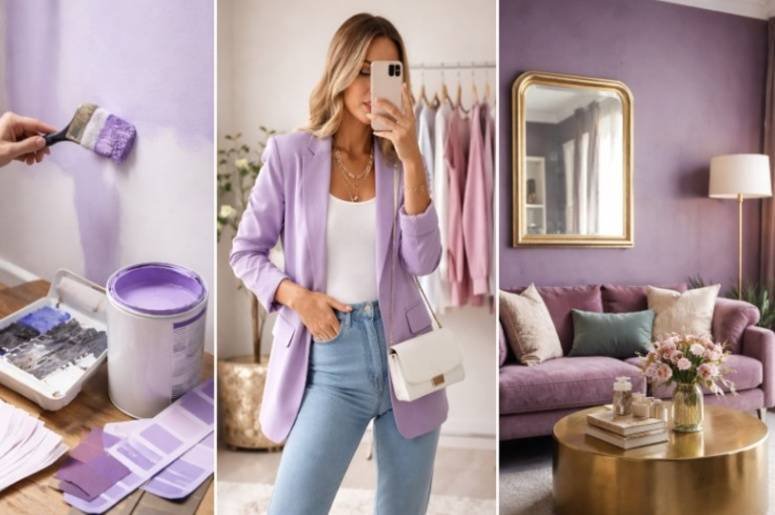
I have noticed that purple confuses people more than almost any other color. It can look rich, soft, dramatic, playful, or even tricky depending on the shade. That’s exactly why I wanted to create a practical guide that feels easy to use in real life, whether you’re choosing paint, styling an outfit, or decorating a room.
When I started exploring how designers and décor experts approach purple, I realized something interesting. The secret isn’t just picking a color that “matches.” The real trick is understanding the shade of purple you’re working with and pairing it with colors that balance its intensity.
Which Colors Usually Look Best With Purple?
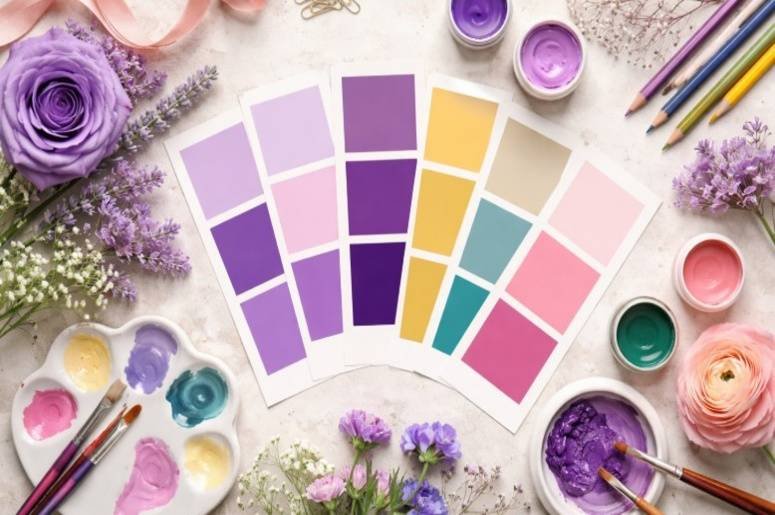
Some colors consistently work well with purple because they either balance its richness or highlight its beauty. The most reliable combinations include white, cream, gray, beige, gold, yellow, green, blush pink, navy, and teal.
When I want a safe and timeless pairing, I start with white or gray. When I want something more dramatic, I reach for mustard yellow, emerald green, or gold accents. These combinations create contrast while still keeping the palette visually balanced.
Why Purple Works With So Many Different Colors
Purple sits between red and blue on the color spectrum, which gives it unique flexibility. Some shades lean warm, while others feel cooler and calmer.
Because of this dual nature, purple can adapt to both soft palettes and bold color schemes. Light purple tones often feel fresh and airy when paired with soft neutrals, while darker purples create dramatic combinations with deeper colors and metallic accents.
What Colors Go Good With Purple in Home Decor?
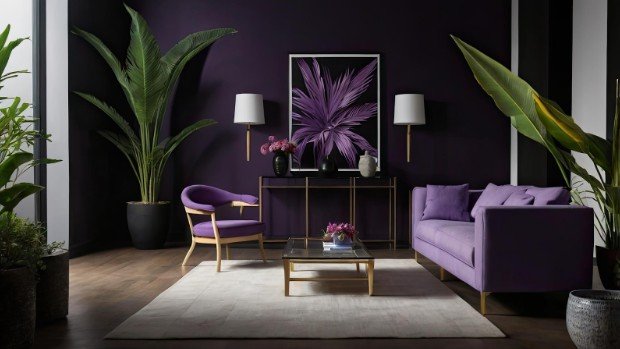
When decorating with purple, I find that neutral colors provide the easiest balance. White, cream, beige, and gray help purple feel elegant rather than overwhelming. For example, lavender walls paired with white furniture create a soft and relaxing space.
On the other hand, deep plum walls with gold accents or dark wood furniture can make a room feel luxurious and dramatic. Adding plants or sage green décor pieces can also soften purple-heavy spaces and make the overall palette feel more natural.
What Colors Go Good With Purple for Clothing and Style
Purple can make a strong statement in fashion, but it becomes surprisingly versatile when paired with the right colors. Light purple pieces work beautifully with white, denim, blush tones, and soft gray. These combinations feel fresh and modern.
Dark purple outfits pair well with black, cream, navy, or gold accessories, creating a polished with sophisticated look. I personally like to treat purple as the centerpiece of an outfit. Pairing it with one neutral color and one accent color keeps the look balanced without feeling overwhelming.
Which Colors Work Best With Light Purple?
Light purple shades like lavender, lilac, and orchid create soft palettes when combined with gentle colors. If you’re exploring what colors go well with purple, these lighter shades often pair beautifully with calm, neutral, or pastel tones. Some of the most flattering combinations include:
- Lavender and white
- Lilac and blush pink
- Light purple and sage green
- Pale violet and soft gray
These pairings create calm and airy environments, making them ideal for bedrooms, spring fashion, and relaxed interior spaces.
Which Colors Work Best With Dark Purple?

Dark purple shades such as plum, aubergine, and eggplant create richer and more dramatic palettes. Some striking pairings include:
- Plum and gold
- Deep purple and mustard yellow
- Eggplant and emerald green
- Dark purple and navy blue
These combinations add depth and sophistication. When I use darker purple tones, I usually keep the number of supporting colors small so the palette doesn’t feel cluttered.
Is Yellow the Complementary Color to Purple?
Yes, yellow is the complementary color to purple on the color wheel. Because they sit opposite each other, they naturally create strong contrast. Understanding what makes yellow helps explain why it stands out so strongly against purple in many color palettes.
However, I often prefer softer versions of yellow such as mustard, honey, or pale yellow instead of bright neon shades. These warmer tones still provide contrast while feeling more refined in both interiors and fashion.
How I Choose the Right Purple Pairing
When I work with purple, I follow a simple routine. First, I determine whether the purple is light or dark. This instantly narrows down which colors will look best.
Next, I decide the mood I want. Neutral color palettes create calm, while bold colors like green or mustard add energy and contrast. Finally, I repeat the color combination in small accents such as pillows, accessories, or trim. This repetition makes the design feel intentional and cohesive.
Frequently Asked Questions
1. What is the safest color to pair with purple?
White is often the safest option. It brightens purple and works with both light and dark shades. Cream and light gray are also reliable neutral partners.
2. Does purple go with green?
Yes, purple and green can create beautiful palettes. Light purple works well with sage or mint green, while darker purple shades pair nicely with emerald or forest green.
3. Does purple match with black?
Yes, black works especially well with darker purples like plum or eggplant. The combination feels sleek and modern, particularly in fashion and contemporary interiors.
4. Can purple be used with gold accents?
Absolutely. Gold and purple together create a luxurious and elegant palette. This pairing often appears in upscale interiors and formal styling because the metallic warmth complements purple’s richness.
Final Takeaways
Purple used to intimidate me because it felt unpredictable. Once I started paying attention to the shade and pairing it with colors that balance its tone, everything became much easier. Light purples shine with soft neutrals and pastels, while dark purples look stunning with rich contrasts like gold, green, or navy.
The key is to keep the palette simple and let purple take the spotlight. Once you understand how purple behaves in different combinations, it becomes one of the most versatile and beautiful colors you can use in design, décor, or everyday style.