I caught myself asking the same question many people search online: what are AI influencers? At first glance they look like real people posting lifestyle photos, fashion updates, or product promotions. But once I started digging deeper, I realized something surprising—many of them are completely digital.
These personalities are designed with advanced graphics, artificial intelligence tools, and social media strategy. They can have backstories, personalities, and even brand partnerships, just like traditional influencers. The difference is that they do not exist in the physical world.
What Is an AI Influencer in Simple Terms?
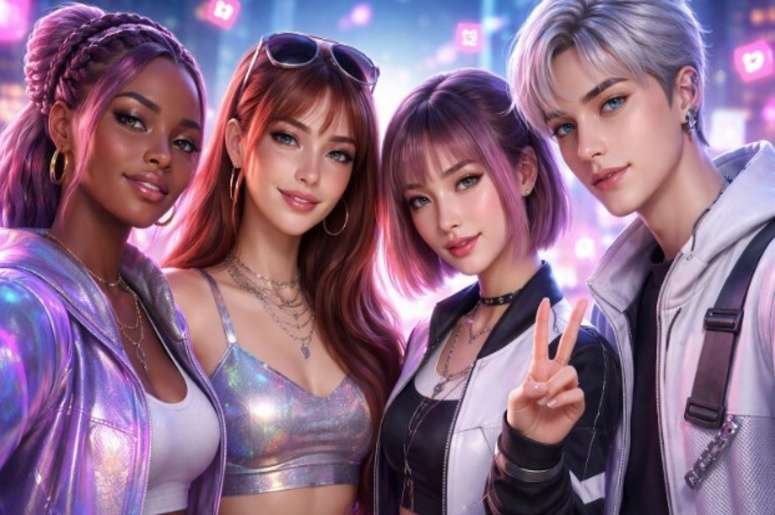
An AI influencer is a digital persona designed to act like a social media content creator. This character might have a realistic human appearance, a unique personality, and a consistent presence across platforms like Instagram, TikTok, or YouTube.
Some of these personas are built using computer-generated imagery, while others rely on artificial intelligence tools that help generate content, captions, or responses. Behind every digital personality is usually a team managing the strategy, visuals, and partnerships.
Understanding the difference between virtual influencers and AI-powered creators is important. Virtual influencers are the broader category of computer-generated personalities. AI influencers fall within that category but may use artificial intelligence tools to assist with content generation or interaction.
How Do AI Influencers Actually Work?
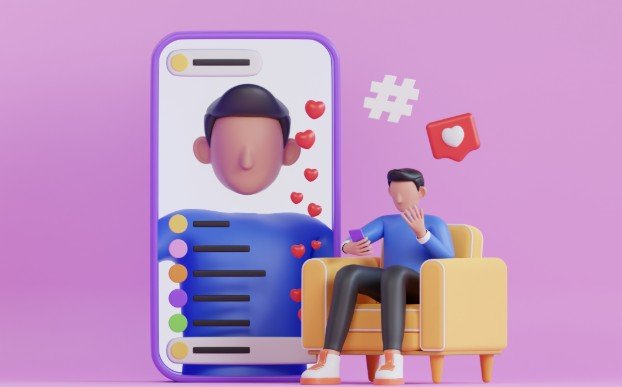
Once I understood the concept, the next thing I wondered was how these digital personalities actually operate. The process usually involves several layers of technology and human creativity working together. Designers first create the character using 3D modeling or digital illustration.
Then marketers and content creators build the influencer’s identity—things like personality traits, interests, style preferences, and storytelling themes. From there, posts, videos, and collaborations are planned just like a real influencer campaign.
Even though artificial intelligence tools can assist with visuals, captions, or creative ideas, most accounts still rely on a team guiding the content strategy. That is why many of these profiles feel polished and consistent.
Why Are Brands Paying Attention to AI Influencers?
When I started researching the marketing side of this trend, one thing became clear quickly: brands love control. A digital influencer allows companies to shape the tone, style, and messaging of every post. Human creators bring authenticity and personal experience, but they also come with unpredictability.
Digital creators, on the other hand, follow a planned strategy. They can appear in multiple campaigns, maintain a consistent image, and avoid scheduling conflicts. For marketers, that level of control can make digital influencers attractive for long-term branding.
Instead of relying entirely on outside creators, companies can build their own recognizable digital personality while also focusing on securing personal data and maintaining user trust across digital platforms.
Which AI Influencers Are People Already Following?
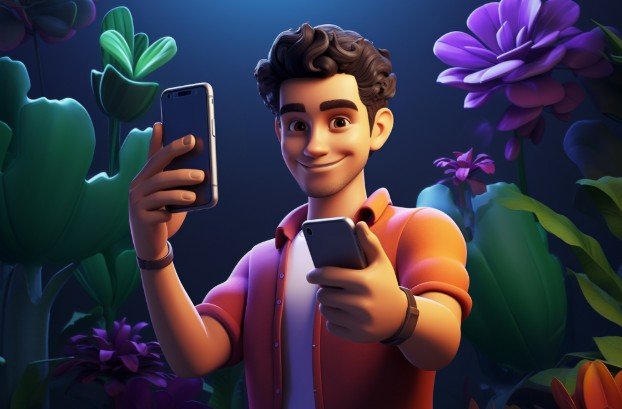
To understand the trend, I looked at several well-known examples. Some digital influencers have built huge audiences online and even partnered with major fashion and lifestyle brands. Lil Miquela is one of the most famous examples. She looks like a real young influencer sharing music, fashion, and lifestyle content, but she is actually a computer-generated character.
Other digital personalities like Imma, Rozy, and Shudu have also gained attention for their highly polished visuals and distinctive identities. What I find interesting is that the most successful ones do not just rely on impressive graphics. They succeed because they tell a story and maintain a recognizable style that followers remember.
Are AI Influencers Better Than Human Influencers?
I do not think the answer is as simple as choosing one over the other. Human creators bring authenticity, personality, and real-life experiences that audiences connect with emotionally. Digital creators, however, offer consistency and flexibility.
They can be used repeatedly in marketing campaigns, appear in different locations through digital production, and maintain a controlled brand image. Rather than replacing traditional influencers, these digital personalities are becoming another tool in the digital marketing landscape. Many campaigns now combine both approaches.
What Are the Biggest Concerns About AI Influencers?
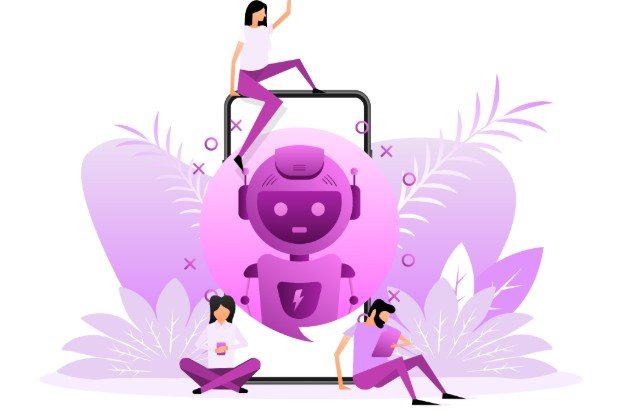
While exploring this topic, I noticed that many people have concerns about transparency. When a digital persona looks extremely realistic, audiences may not realize they are interacting with a computer-generated character. Another concern is authenticity.
Social media originally grew because people wanted to follow real individuals sharing real experiences. When a character is designed specifically for marketing, it raises questions about how genuine that influence really is. These discussions are likely to continue as technology improves and digital personalities become even more realistic.
How Can You Tell If an Influencer Is AI-Generated?
Over time, I started noticing a few clues that often reveal a digital influencer. The images may look extremely polished, sometimes almost too perfect. Facial expressions might appear slightly unnatural, and backgrounds can look digitally enhanced.
Another indicator is transparency in the account description. Many virtual influencers openly state that they are digital characters or creative projects. If the account clearly explains its nature, it usually builds more trust with followers. Ultimately, awareness is the best tool. Once you know the concept exists, it becomes easier to recognize.
How To Understand AI Influencers Before Trusting Them
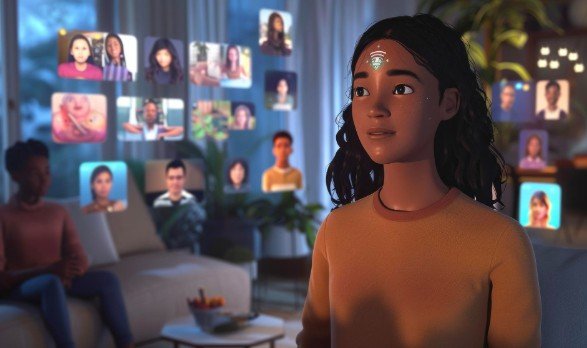
If you want to evaluate these digital creators more carefully, I recommend a simple approach. First, check the account’s profile and background information. Many digital creators openly identify themselves as sociology of virtual personalities or creative projects. Second, observe how they collaborate with brands. Just like traditional influencers, digital personalities often promote products or services.
Third, pay attention to the storytelling behind the account. The most successful digital influencers maintain a consistent narrative and visual identity that keeps followers engaged. Taking these steps helps separate innovative digital storytelling from purely promotional accounts.
Frequently Asked Questions
1. Are AI influencers real people?
No. They are digital characters created using graphics, artificial intelligence tools, and creative storytelling. However, real teams usually manage their content and partnerships.
2. Why do companies use AI influencers?
Brands often use digital creators because they allow more control over messaging, branding, and content style. They can also appear consistently across multiple campaigns.
3. Do AI influencers interact with followers?
Some accounts simulate interactions using prewritten responses or AI tools, while others simply post content like traditional influencers.
4. Will AI influencers replace human influencers?
That is unlikely. Human creators still provide authenticity and personal experiences that audiences value. Digital influencers are more likely to exist alongside them.
Final Thoughts
When I first started exploring what are AI influencers, I assumed they were just another internet novelty. After researching how they work, I realized they represent a bigger shift in digital culture and marketing. These digital personalities combine technology, storytelling, and branding in a way that challenges traditional ideas about influence.
Some people find them fascinating, while others remain skeptical about authenticity. Either way, the trend is growing quickly. The more familiar I become with these digital creators, the clearer it becomes that the future of online influence will likely include both real personalities and carefully designed virtual ones.