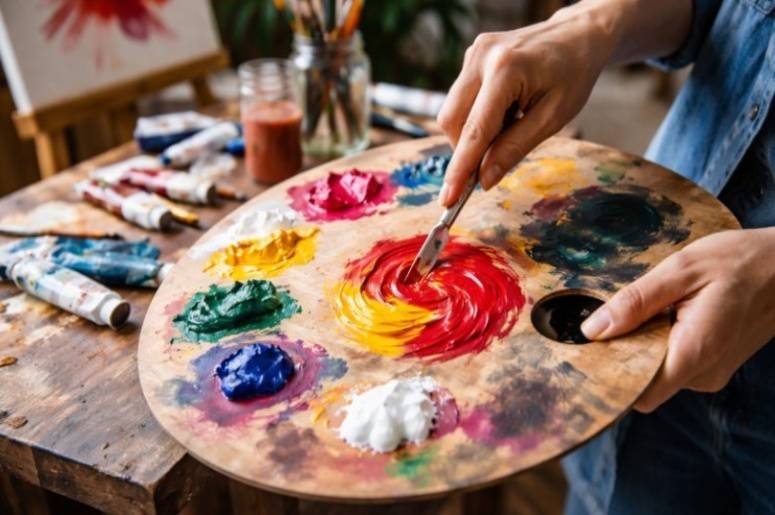

I started mixing paint then assumed black would be the easiest color to make. It was not. My early mixes often turned muddy, brownish, or flat instead of rich and usable. Over time, I learned that the best results come from choosing the right pigment pairs, understanding undertones, and adjusting slowly instead of dumping colors together. That is the approach I use in this blog.
The simple answer is this: artists usually make black by mixing either three strong primaries or two complementary colors. Popular formulas include ultramarine blue with burnt umber, red with green, blue with orange, and yellow with purple. Different combinations create different blacks, which is why one mix may feel warmer, cooler, softer, or deeper than another.
Why artists mix black instead of using black paint
A premixed tube of black is convenient, but mixed black often looks more natural in shadows and more harmonious inside a painting. It can carry subtle temperature, which helps it blend better with skin tones, landscapes, still life work, and moody backgrounds.
For many beginners, this matters because most primary color paint sets already include the pigments needed for these mixes. That means you can often create a strong black without buying a separate specialty shade. This makes the process practical as well as educational. This is one reason I recommend learning how to make the color black before relying only on premixed black.
The best color combinations for mixing black
1. Ultramarine blue + burnt umber
This is one of the most trusted formulas because it creates a rich, painterly black that feels balanced and easy to control. If the mix leans too blue, add a touch more burnt umber. If it feels too brown, add a little more ultramarine.
2. Red + green
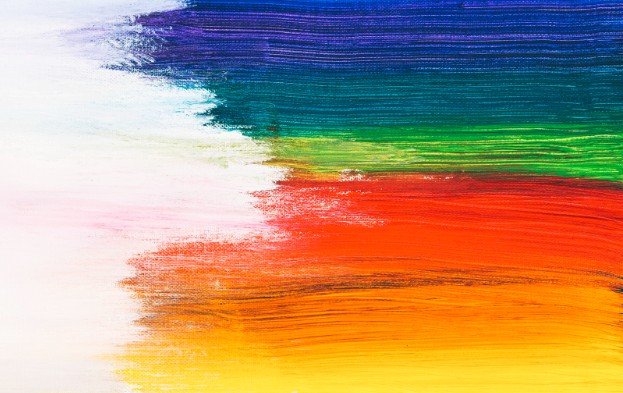
Complementary colors are a classic route to black. A warm red and a cool green can create a dark, believable black when mixed carefully. This option is useful when you want a slightly earthy, natural result for florals, portraits, or muted shadows.
3. Blue + orange
Blue and orange also sit opposite each other on the color wheel, so they can neutralize each other into a very dark shade. This mix works well when you want a black that still feels expressive rather than lifeless.
4. Yellow + purple
This pair can make a dark neutral that approaches black, especially when the pigments are strong and the ratio is adjusted carefully. It is not always the darkest option, but it is useful when you want a softer black or need to stay within the colors already used in your palette. This method also works well when exploring how colors go well with purple, since balancing yellow and purple helps control depth and contrast in many artistic palettes.
5. Three primaries
Mixing red, yellow, and blue can also produce black when you use strong pigments and balanced proportions. This method is especially helpful if you want to understand color theory while building your own dark neutral from scratch.
Quick reference chart
If you want a rich neutral black
Use ultramarine blue and burnt umber.
If you want a natural, earthy black
Use red and green.
If you want a dramatic black with personality
Use blue and orange.
If you want a softer dark neutral
Use yellow and purple.
If you want to practice color theory
Use the three primaries.
Warm black vs cool black
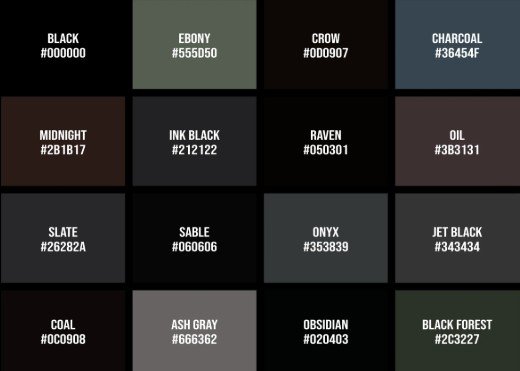
Not all blacks look the same. A black that leans brown, red, or olive often feels warm. A black that leans blue or violet feels cool. That difference matters because warm black can make a painting feel softer and more organic, while cool black can feel sharper, cleaner, and more dramatic.
I usually decide based on the rest of the palette. For landscapes, I often want a softer black that does not overpower greens and browns. For modern graphics, nighttime scenes, or high-contrast work, I lean cooler. Once you understand this, how to make the color black becomes less about one magic recipe and more about choosing the right kind of black for the job.
How to mix black without making mud
Start with small amounts of paint and combine the colors slowly. Add one color at a time instead of squeezing out large equal piles. This gives you more control over value and undertone. Use clean, strong pigments for paint and coatings whenever possible. Some pigments are naturally duller, while others are more intense.
If your mix looks chalky or weak, the pigments may not have enough strength to produce a convincing black. Always test the result on white paper or canvas before using it in your final work. A mix can look black in a palette but reveal a strong color bias once spread thin.
Common mistakes beginners make
Adding too much of one color too fast
This often leads to a mix that looks blue-black, green-black, or brown-black instead of balanced black.
Using weak complementary pairs
Not every red, green, blue, orange, yellow, or purple has the same strength. Pigment choice matters.
Expecting every formula to look identical
Each recipe creates a slightly different black. That variety is actually one of the biggest advantages of mixing your own.
Skipping ratio adjustments
Even when a recipe is correct, the wrong proportion can shift the result too warm or too cool.
Best uses for mixed black
Mixed black works especially well for shadows, hair, fabric folds, storm clouds, tree lines, night skies, and low-light backgrounds. Because it carries undertones from the colors you used, it tends to feel more connected to the rest of the painting.
It can also be useful in acrylic, oil, gouache, and watercolor painting. The technique remains the same: choose the right combination, mix slowly, and test before applying it to your artwork.
Frequently Asked Questions
1. What two colors can make black?
Red and green or blue and orange can create black or a very dark neutral when mixed carefully.
2. Can you make black with primary colors?
Yes. Red, yellow, and blue can produce black when balanced correctly and when strong pigments are used.
3. Is mixed black better than tube black?
Tube black is convenient, but mixed black often blends more naturally with the rest of your palette.
4. What is the darkest mix for black?
A commonly recommended deep mix is ultramarine blue with burnt umber or a balanced blend of the three primary colors.
Final Thoughts
Once I stopped treating black like a default color and started treating it like a custom mix, my paintings improved dramatically. The color felt deeper, cleaner, and more intentional. That is why I believe learning how to make the color black is a skill every beginner artist should practice.
You do not need expensive tools or complex techniques. Just a few strong pigments, careful mixing, and patience will help you create blacks that look richer and far more natural than anything straight from a tube.