When I started planning my last PC upgrade, one question kept coming up everywhere: DDR4 vs DDR5 RAM — which one is actually better?
Memory technology changes fast, and choosing the wrong type of RAM can limit performance or waste money. If you are building a new PC or upgrading your system, understanding the difference between DDR4 vs DDR5 RAM becomes essential.
In this guide, I explain the key differences, real performance impact, compatibility issues, and whether upgrading to DDR5 is truly worth it today.
Key Takeaways
- DDR5 RAM offers higher speeds and bandwidth than DDR4
- DDR4 RAM remains cheaper and widely compatible
- Gaming performance differences are often small in many scenarios
- DDR5 works best with newer CPUs and motherboards
- Choosing between DDR4 vs DDR5 RAM depends on budget and system goals
Before choosing between DDR4 vs DDR5 RAM, you should also learn how to upgrade RAM safely and efficiently.
What Is the Difference Between DDR4 vs DDR5 RAM?
Before comparing performance, it helps to understand what these memory standards mean.
DDR stands for Double Data Rate, a technology used in modern computer memory. Each generation improves speed, efficiency, and bandwidth. The biggest difference between DDR4 vs DDR5 RAM lies in how quickly data moves between memory and the CPU.
DDR4 memory typically operates between 2133 MHz and 3200 MHz, while DDR5 starts around 4800 MHz and can exceed 7000 MHz in high-performance kits. This improvement increases the amount of data the system processes every second.
Another important change appears in power management. DDR5 introduces onboard voltage regulation, which helps improve power efficiency and stability.
DDR4 vs DDR5 RAM Speed and Performance
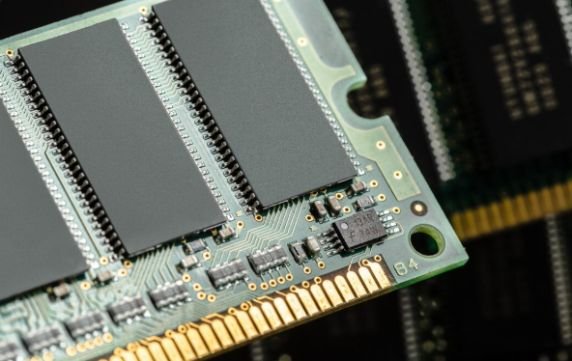
When I compare DDR4 vs DDR5 RAM speed, the numbers alone make DDR5 look dramatically faster. However, real-world performance depends on multiple factors such as CPU architecture, latency, and workload.
Memory Bandwidth
DDR5 significantly increases memory bandwidth. Bandwidth determines how much data moves between RAM and the processor.
Higher bandwidth benefits tasks such as:
- video editing
- large datasets
- 3D rendering
- heavy multitasking
For productivity workloads, DDR5 can provide noticeable improvements.
Latency Comparison
One surprising detail appears when comparing latency. Early DDR5 modules often show higher latency than DDR4. Latency measures how long the memory waits before responding to a request.
Because of this, the real-world performance difference between DDR4 vs DDR5 RAM sometimes appears smaller than expected in certain workloads.
Power Efficiency
DDR5 also improves energy efficiency. While DDR4 usually runs at 1.2 volts, DDR5 operates around 1.1 volts. Lower voltage reduces heat generation and power consumption. For laptops and energy-efficient builds, this improvement becomes valuable.
DDR4 vs DDR5 Gaming Performance

Gamers often ask whether DDR5 actually improves frame rates. In my testing and research, the difference between DDR4 vs DDR5 gaming performance usually ranges from 0% to about 10%, depending on the game and processor. Many games rely more heavily on GPU power rather than memory speed.
However, DDR5 can provide advantages in certain situations:
- CPU-heavy games
- high refresh rate gaming
- simulation and strategy titles
- modern game engines
For casual gaming systems, DDR4 still performs extremely well. For cutting-edge builds paired with modern processors, DDR5 begins to show its advantages.
DDR4 vs DDR5 Price Comparison

One of the biggest deciding factors remains price.DDR4 memory has existed for many years, which makes it significantly cheaper. DDR5 RAM kits usually cost 20–50% more, depending on speed and brand.In addition to memory prices, DDR5 requires newer motherboards that also cost more.
When comparing DDR4 vs DDR5 price, many builders choose DDR4 simply because it delivers excellent performance at a lower cost.
Should You Upgrade From DDR4 to DDR5?
Many PC users wonder whether upgrading their current system makes sense.
In most cases, upgrading from DDR4 to DDR5 requires replacing three components:
- motherboard
- processor
- RAM
Because of this hardware dependency, upgrading memory alone rarely works. I usually recommend upgrading to DDR5 only when you already plan a full platform upgrade. If your system performs well with DDR4, the upgrade may not justify the cost.
DDR4 vs DDR5 RAM Compatibility and Hardware Requirements
Compatibility plays a huge role in choosing between DDR4 vs DDR5 RAM. Motherboards support only one memory generation. A DDR4 motherboard cannot run DDR5 memory. Similarly, processors must support the RAM generation used.
For example:
Intel 12th, 13th, and 14th generation CPUs support both DDR4 and DDR5 depending on the motherboard.AMD Ryzen 7000 processors support only DDR5. Before buying RAM, always verify motherboard and CPU compatibility.
Which RAM Is Better for Your PC Build?

Choosing between DDR4 vs DDR5 RAM depends on your priorities. If you want maximum performance and future-proof hardware, DDR5 makes sense.If you want the best value and reliable performance, DDR4 remains a fantastic choice.
Here is how I usually decide:
Choose DDR4 if you want
- lower cost
- stable gaming performance
- compatibility with older systems
Choose DDR5 if you want
- cutting-edge technology
- higher bandwidth
- better long-term upgrade potential
Frequently Asked Questions
1. Is DDR5 RAM faster than DDR4 RAM?
Yes. DDR5 offers higher memory speeds and bandwidth, which improves performance in demanding workloads.
2. Is DDR5 worth it for gaming?
For many games the difference remains small, but DDR5 can improve performance in CPU-heavy titles.
3. Can I install DDR5 RAM in a DDR4 motherboard?
No. DDR4 and DDR5 use different physical designs and electrical standards.
4. Should I upgrade from DDR4 to DDR5?
Upgrade only if you plan a new motherboard and CPU upgrade, because DDR5 requires newer platforms.
5. Will DDR5 replace DDR4 completely?
Yes. Over time DDR5 will become the standard as newer processors and motherboards adopt it.
Final Thoughts: Choosing the Right RAM for Your System
When comparing DDR4 vs DDR5 RAM, the best choice depends on your budget, hardware, and performance goals.
DDR5 clearly represents the future of system memory with faster speeds and better efficiency. However, DDR4 still delivers excellent performance for gaming, productivity, and everyday computing.
If I were building a budget or mid-range PC today, I would still consider DDR4. But if I were assembling a high-end modern system, DDR5 would be the smarter long-term investment.
Choosing the right RAM ensures your system runs smoothly today and remains capable for years to come.