When I first started designing, I assumed mastering software would automatically make me a better designer. I spent hours learning Illustrator shortcuts, experimenting with layouts, and trying new tools. But over time I realized that improving as a designer is about much more than just software.
What actually helped me grow was practicing fundamentals, studying other designers, seeking feedback, and working on real projects. Once I changed my approach, my work improved quickly.
Master the Fundamentals of Graphic Design
The first step toward better design is understanding core principles. Many beginners focus on tools first, but the strongest designers start with visual fundamentals. Key principles include typography, color theory, visual hierarchy, alignment, spacing, contrast, and balance.
These elements control how people read and experience a design. Readability, hierarchy, and structure are essential for effective visual communication. Instead of jumping between tools, I spent time studying how designers use spacing, contrast, and typography to guide the viewer’s attention. Once you understand these principles, every design decision becomes easier.
Practice With Real Design Projects
Skill growth comes from repetition and real-world work. One of the biggest improvements in my design ability happened when I began treating practice like a professional assignment. Instead of random experiments, I worked on structured projects such as redesigning a website homepage, creating brand logos, designing event posters, building social media graphics, and developing presentation slides.
Hands-on projects simulate real design challenges and strengthen problem-solving skills. Working on real briefs forces you to think like a designer rather than simply experimenting.
Study Designs You Admire

One of the fastest ways I improved was analyzing work created by skilled designers. Rather than just admiring great designs, I began asking questions such as why a layout works, why certain fonts are paired together, how color creates hierarchy, and why a composition feels balanced. This process also helped to understand why typography important in graphic design, as typography plays a key role in readability, hierarchy, and the overall effectiveness of visual communication.
Breaking down professional designs teaches visual thinking. The more designs you analyze, the stronger your instincts become. This habit alone dramatically improved the way I approach layout and typography decisions.
Get Feedback From Other Designers
Feedback can dramatically accelerate improvement. When I first started sharing my work with other designers, I quickly realized how many mistakes I couldn’t see myself.
Constructive critique helps identify issues such as weak typography choices, inconsistent spacing, poor alignment, or confusing visual hierarchy. Feedback exposes blind spots and encourages creative growth. Even small adjustments suggested by other designers can dramatically improve a design.
Learn the Tools Professionals Use
Although theory matters most, tools are still important. Professional designers commonly work with software such as Adobe Illustrator, Adobe Photoshop, Adobe InDesign, Figma, Sketch, and Canva. Learning these tools helps you work faster and execute ideas more effectively.
Instead of memorizing every feature, I focused on mastering essential functions like layers, grids, typography settings, and color control. Once those basics became second nature, creating designs became much easier.
Develop Your Own Design Style
Every designer eventually develops a personal style. This process takes time and comes from experimenting with typography, layout, color, and visual composition across many projects.
Your style forms gradually through practice, influence from other designers, and repeated project work. Some designers lean toward minimal layouts, while others prefer bold typography or expressive color palettes. Over time, consistent patterns begin appearing in your work, shaping your visual identity.
Build a Strong Portfolio
A portfolio is one of the most powerful tools for improving your design skills. When I started building a portfolio, I realized how important it was to refine every detail of a project. Creating portfolio-quality work pushes you to improve composition, strengthen typography, refine layout spacing, and enhance clarity.
Strong portfolios also demonstrate growth over time. If someone asks me today how to improve graphic design skills, building a portfolio is always one of the first strategies I recommend.
Practice Consistently With Design Exercises
Like any creative discipline, design improves through repetition. Daily design exercises strengthen visual instincts and problem-solving ability. Useful exercises include poster redesign challenges, typography practice, logo concept sketches, color palette creation, and layout reconstruction.
Short practice sessions—even twenty minutes a day—can significantly improve design thinking over time. Consistency matters far more than occasional long practice sessions.
Stay Updated With Design Trends
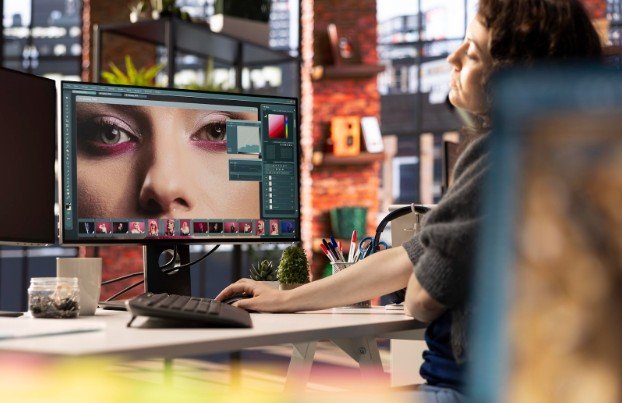
The design industry evolves quickly. Modern designers benefit from staying aware of trends such as minimal design systems, bold typography layouts, accessible design principles, responsive design frameworks, and motion graphics. Reading design blogs, following creative communities, and studying current projects helps keep your work fresh and relevant.
Balance Creativity With Communication
Design is not only about aesthetics. Its primary goal is communication. Strong designers learn to balance creativity with clarity. A visually beautiful design that confuses viewers does not succeed. Effective design communicates its message quickly and clearly. Understanding this principle changed how I approach every project.
Frequently Asked Questions
1. How long does it take to improve graphic design skills?
Most beginners notice clear improvement within three to six months of consistent practice, especially when focusing on design fundamentals and real projects.
2. Do you need a degree to become a graphic designer?
No. Many successful designers learn through online courses, tutorials, and personal practice while building a strong portfolio.
3. What is the fastest way to improve as a designer?
Practicing real projects, studying professional work, and receiving constructive feedback are the fastest ways to grow.
4. Which tools should beginner designers learn first?
Many beginners start with tools like Canva, Adobe Illustrator, and Figma while learning design fundamentals.
Final Takeaways
When I look back at my early designs, the biggest improvements didn’t come from learning more software features. They came from understanding design fundamentals, practicing real projects, and learning from feedback. Improving as a designer takes time, but consistent effort leads to real progress.
Once I focused on building strong fundamentals and practicing regularly, my design work became clearer, stronger, and more effective. If you stay consistent and keep experimenting, your skills will grow faster than you expect. That’s the real path to mastering how to improve graphic design skills.