
Travel isn’t always as relaxing as it looks—especially if you’re someone who values quiet, space, and time alone. I learned this the hard way after forcing myself into crowded attractions, packed itineraries, and constant social interaction that left me drained instead of fulfilled.
That’s when I started adjusting how I travel. Instead of following what everyone else was doing, I focused on what actually felt comfortable for me. These travel tips for introverts completely changed my experience. Travel became calmer, more enjoyable, and far more meaningful.
Key Takeaways
- Travel becomes more enjoyable when you control your pace and environment
- Quiet destinations and off-peak timing reduce overwhelm
- Solo moments are just as valuable as social experiences
- Planning ahead helps avoid stressful situations
- Introvert-friendly travel leads to deeper, more personal experiences
Why Do Introverts Struggle With Traditional Travel?
Most travel advice is designed for extroverts. It encourages packed schedules, group tours, and crowded attractions. While that might work for some, it can feel exhausting for introverts.
The constant noise, social interaction, and lack of personal space can quickly drain your energy. I realized that I wasn’t enjoying my trips—not because of the destinations, but because of how I was traveling.
Once I stopped trying to follow typical travel patterns, everything changed. I started building trips around comfort instead of expectations.
How Can Introverts Travel Without Feeling Overwhelmed?
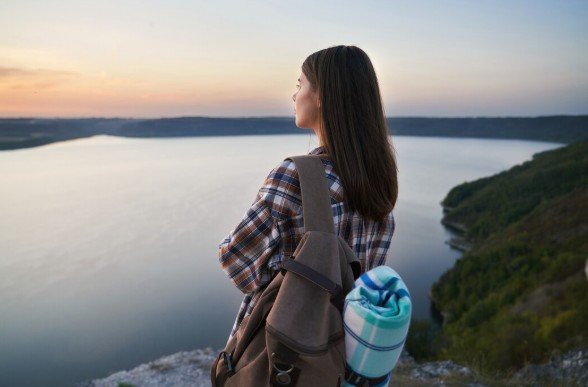
The biggest shift for me was slowing everything down. Instead of trying to do everything, I focused on doing fewer things well.
This is where slow travel lifestyle benefits naturally come into play. Staying longer in one place allows you to settle in, understand your surroundings, and avoid the chaos of constant movement.
I also started choosing quieter accommodations, exploring early in the morning, and avoiding peak hours. These small changes made a huge difference in how I felt during my trips.
What Are The Best Destinations For Introverted Travelers?
Not every destination is ideal for introverts, and that’s okay. The key is to choose places that align with your energy.
I found myself enjoying smaller towns, nature-based destinations, and less crowded areas far more than busy cities. Places where I could walk, observe, and explore without feeling overwhelmed.
These types of locations often lead to discovering secret travel spots locals don’t tell you, simply because you’re not stuck in tourist-heavy areas.
The quieter the destination, the more space you have to enjoy it at your own pace.
How Do You Plan A Calm And Stress-Free Trip?
Planning plays a big role in reducing stress.
I now research places in advance—not just for attractions, but for crowd patterns, quiet areas, and alternative experiences. This helps me avoid situations that might feel overwhelming.
I also build flexibility into my itinerary. Instead of scheduling every hour, I leave room for rest and spontaneity.
Interestingly, some of my best experiences came from unexpected moments while traveling—times when I wasn’t following a plan and simply allowed things to happen naturally.
How Can Introverts Handle Social Situations While Traveling?
Travel doesn’t mean you have to be constantly social.
I used to feel pressured to interact all the time, but I’ve learned that it’s okay to set boundaries. You can choose when and how you engage with others.
Short, meaningful interactions often feel more comfortable than long, forced conversations. Whether it’s chatting with a local vendor or asking for recommendations, small moments of connection can still be fulfilling.
And if you need time alone, take it. Travel should recharge you, not drain you.
What Are The Best Daily Habits For Introvert-Friendly Travel?
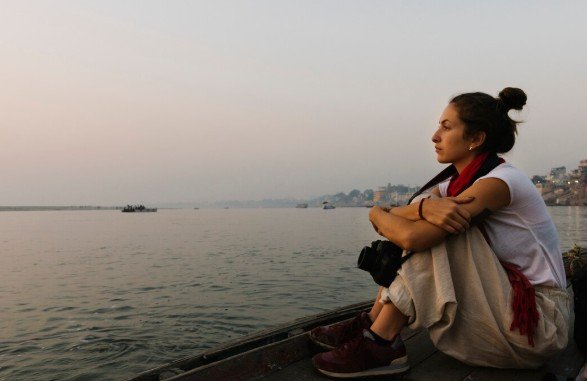
Over time, I developed a routine that works for me.
I start my day early when places are quiet. I take breaks throughout the day instead of pushing through exhaustion. And I balance activities with downtime.
Simple habits like sitting in a quiet café, taking a slow walk, or journaling can make your travel experience feel more grounded.
These small changes help maintain your energy and make each day feel manageable instead of overwhelming.
How To Travel Comfortably As An Introvert (Step-by-Step)
First, choose destinations that match your personality. Avoid places that are known for heavy crowds unless you have a clear plan to navigate them.
Next, plan your days with flexibility. Focus on one or two key activities instead of trying to do everything.
Then, prioritize quiet spaces. This could be your accommodation, a park, or a café where you can recharge.
Finally, listen to yourself. If you feel tired or overwhelmed, take a break. There’s no rule that says you have to keep going.
Is Introvert Travel Less Exciting?

Not at all—it’s just different.
Instead of chasing excitement, you’re creating meaningful experiences. You notice details, connect more deeply, and enjoy moments that others might overlook.
For me, this approach made travel feel richer and more personal. It wasn’t about doing more—it was about experiencing more in a way that felt right.
FAQs
1. What are the best travel tips for introverts?
The best travel tips for introverts include choosing quiet destinations, traveling at your own pace, avoiding crowds, and allowing time for rest and solitude.
2. Can introverts enjoy traveling alone?
Yes, solo travel is often ideal for introverts because it allows complete control over your schedule and environment.
3. How do introverts avoid crowds while traveling?
Travel during off-peak seasons, explore early in the day, and choose less touristy locations.
4. Is slow travel good for introverts?
Yes, slow travel provides a relaxed pace and deeper connection with destinations, making it perfect for introverts.
A More Comfortable Way To Travel
What I’ve realized is that travel doesn’t have to look a certain way to be enjoyable. Once I started following these travel tips for introverts, everything became easier. I felt calmer, more in control, and actually excited to explore again.
Travel should feel like something that fits you—not something you have to adjust yourself to. And when you find that balance, every trip becomes something you truly enjoy.