

Work culture has changed dramatically in recent years. Many professionals no longer need to work from a traditional office every day. Instead, companies now rely on technology that allows employees to collaborate, communicate, and complete tasks from anywhere in the world.
The future lifestyle of remote work and digital collaboration is shaping how businesses operate and how people balance their professional and personal lives. Developers, designers, IT professionals, and many other workers are now part of this growing digital workforce.
Understanding how remote work is evolving helps professionals adapt to new expectations and build sustainable work habits in a digital environment.
How Remote Work Has Changed Modern Work Culture
Remote work was once limited to freelancers or specific technology roles. Today, it has become a common working model for many organizations across different industries.
Companies discovered that many tasks can be completed efficiently without requiring employees to be physically present in an office. As a result, businesses have adopted flexible work policies that allow employees to work from home or other remote locations.
This shift has changed how teams collaborate, communicate, and manage projects. Instead of relying on face-to-face meetings, teams now use digital platforms to coordinate work and stay connected.
The Role of Digital Collaboration Tools
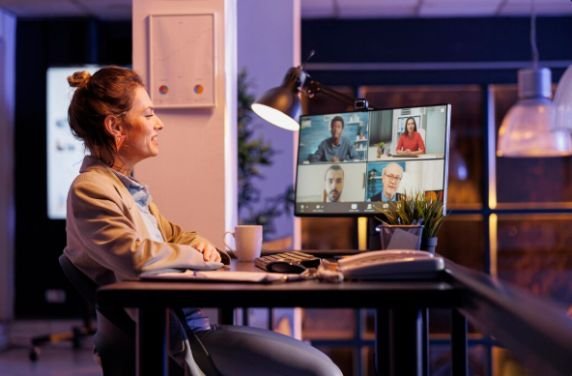
Digital collaboration tools are essential for supporting remote teams. These tools allow employees to communicate in real time, share documents, and manage projects effectively.
Common collaboration tools used by remote teams include:
- video conferencing platforms for meetings
- messaging apps for daily communication
- project management software for task tracking
- cloud storage platforms for sharing files
- collaborative document editing tools
These technologies allow teams to work together efficiently, even when members are located in different cities or countries.
Benefits of Remote Work for Professionals
Remote work provides several advantages for employees and organizations.
One of the biggest benefits is flexibility. Workers can organize their schedules in ways that support both productivity and personal life responsibilities.
Another advantage is reduced commuting time. Eliminating long daily commutes saves time and energy, allowing professionals to focus more on meaningful work or personal activities.
Remote work also opens opportunities for global collaboration. Companies can hire talented professionals from different regions, and employees can work with teams from around the world.
Challenges of Remote Work and Digital Collaboration

Although remote work offers many benefits, it also introduces certain challenges.
One common issue is communication gaps. Without face-to-face interaction, misunderstandings may occur if communication is not clear and structured.
Another challenge involves maintaining work-life balance. When work happens at home, some professionals find it difficult to disconnect from work responsibilities.
Remote workers may also experience feelings of isolation if they do not regularly interact with colleagues.
Organizations can address these challenges by promoting clear communication practices, encouraging regular meetings, and creating supportive work environments.
Building Strong Digital Collaboration Habits

Successful remote teams develop habits that support efficient collaboration.
Clear communication is one of the most important factors. Team members should document processes, share updates regularly, and clarify expectations for tasks and deadlines.
Regular virtual meetings also help maintain team connection. Even short check-ins help teams stay aligned and avoid confusion. Another important habit is maintaining organized workflows. Project management tools allow teams to track progress, assign tasks, and manage deadlines effectively.
These habits help remote teams maintain productivity while working in distributed environments.
How Remote Work Supports Work-Life Balance
Many professionals report improved work-life balance when working remotely.
Flexible schedules allow workers to manage personal responsibilities more easily. Parents, caregivers, and individuals with personal commitments often find remote work more accommodating.
Remote work also allows individuals to design workspaces that suit their preferences and productivity styles.
However, maintaining balance requires discipline. Setting clear working hours and creating a dedicated workspace helps separate professional and personal life.
Technology Shaping the Future of Remote Work
Advancements in technology continue to shape the future of digital work environments.
Artificial intelligence tools now assist with task automation, scheduling, and workflow management. Cloud computing allows teams to access files and applications from anywhere.
Virtual reality and immersive collaboration tools may also play a role in the future workplace by creating digital meeting spaces that simulate in-person interaction.
As technology continues to evolve, remote collaboration will become even more efficient and interactive.
Preparing for the Future of Digital Work
Professionals who adapt to remote work trends will be better prepared for the future job market.
Key skills that support remote work success include:
- digital communication skills
- time management and self-discipline
- proficiency with collaboration tools
- adaptability to new technologies
Developing these skills helps professionals thrive in flexible and technology-driven work environments.
Organizations are also investing in training programs that help employees improve digital collaboration skills.
Frequently Asked Questions
1. What is the future lifestyle of remote work and digital collaboration?
The future lifestyle of remote work and digital collaboration involves flexible work environments where professionals use digital tools to communicate, manage projects, and collaborate from different locations.
2. Why is remote work becoming more common?
Remote work is becoming more common because it allows businesses to reduce operational costs while providing employees with flexibility and improved work-life balance.
3. What tools are used for digital collaboration?
Common digital collaboration tools include video conferencing software, messaging platforms, project management systems, and cloud-based file sharing applications.
4. What challenges do remote teams face?
Remote teams may face challenges such as communication barriers, time zone differences, lack of face-to-face interaction, and difficulty maintaining work-life boundaries.
5. How can professionals succeed in remote work environments?
Professionals can succeed in remote work by maintaining clear communication, managing time effectively, staying organized, and using collaboration tools efficiently.
Building a Sustainable Remote Work Lifestyle
The future lifestyle of remote work and digital collaboration will continue to evolve as technology improves and work cultures adapt.
Remote work provides flexibility, global collaboration opportunities, and improved work-life balance for many professionals. At the same time, it requires strong communication, structured workflows, and personal discipline to remain productive.
By embracing digital tools and building healthy work habits, professionals can create sustainable careers in a modern, technology-driven workplace.