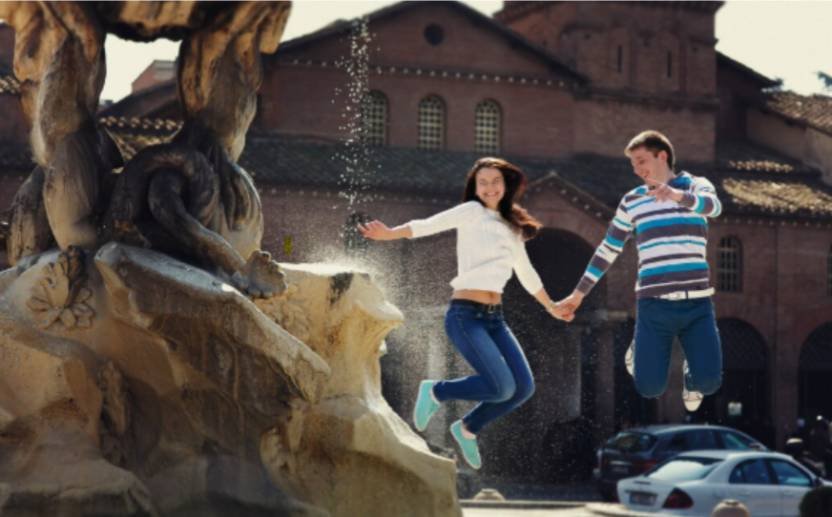
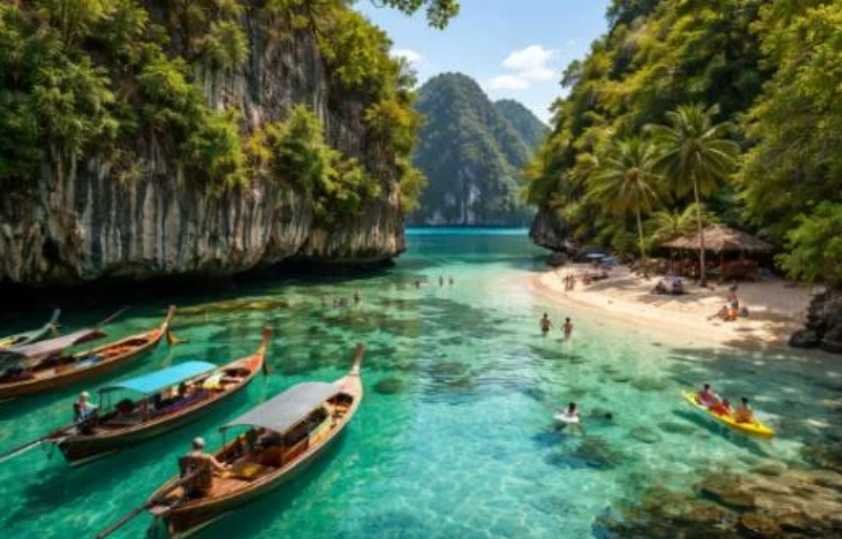
Travel used to feel like a race for me. I would jump from one destination to another, trying to see everything in the shortest time possible. On paper, it looked exciting—but in reality, it felt exhausting.
Everything changed when I slowed down. Instead of chasing places, I started experiencing them. That’s when I truly understood the power of slow travel lifestyle benefits and how they can completely transform the way you explore the world.
It’s not about doing less—it’s about experiencing more, in a way that actually stays with you.
Key Takeaways
- Slow travel reduces stress and travel fatigue
- It allows deeper cultural and local connections
- You discover hidden places beyond tourist spots
- Travel becomes more meaningful and less rushed
- It often leads to better, unexpected experiences
What Is Slow Travel And Why Does It Matter?
Slow travel is exactly what it sounds like—traveling at a relaxed pace, focusing on fewer destinations but deeper experiences.
Instead of trying to visit five cities in one week, you stay longer in one place. You walk more, explore neighborhoods, and take time to notice details you would normally miss.
This approach isn’t just about time—it’s about mindset. You’re not trying to check off a list. You’re trying to connect with the place you’re in.
I started noticing things I never paid attention to before. Local routines, small cafes, quiet streets—these became the highlights of my trips.
How Do Slow Travel Lifestyle Benefits Improve Your Experience?
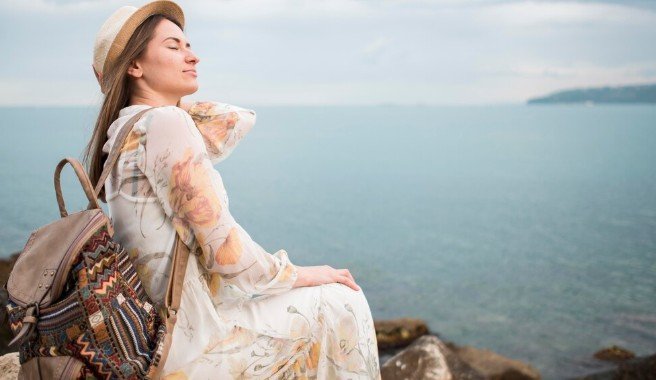
The biggest shift I noticed was how relaxed everything felt.
When you slow down, you remove pressure. You’re no longer rushing to the next attraction or worrying about missing something. Instead, you enjoy what’s right in front of you.
The slow travel lifestyle benefits go beyond comfort. They include:
- Better mental clarity
- Less exhaustion
- More meaningful memories
I also found that this approach naturally leads to discovering secret travel spots locals don’t tell you, simply because you spend more time exploring like a local instead of a tourist.
Why Does Slow Travel Help You Discover Hidden Gems?
When you’re not rushing, you start to notice what others miss.
You might walk down a random street and find a small restaurant that serves incredible food. Or you might stumble upon a quiet viewpoint that isn’t listed in any guide.
These moments are what make travel special.
In fact, some of my favorite experiences came from finding unexpected moments while traveling—things I never planned but ended up loving the most.
Slow travel creates space for these discoveries. It gives you time to wander, explore, and follow curiosity instead of a strict itinerary.
Is Slow Travel Better For Introverts?
Absolutely—and this is something I didn’t expect at first.
If crowded places drain your energy, slow travel is a game changer. You can structure your day around calm, quiet experiences instead of busy tourist attractions.
This naturally aligns with travel tips for introverts, where the focus is on comfort, space, and personal pace.
Instead of feeling overwhelmed, you feel in control of your environment. And that makes travel far more enjoyable.
Does Slow Travel Help You Save Money?
Surprisingly, yes.
When you travel slowly, you reduce unnecessary expenses. You’re not constantly booking transport, paying for rushed activities, or eating overpriced meals near tourist spots.
Staying longer in one place often gives you better accommodation deals and allows you to live more like a local.
You also make smarter choices because you’re not rushing decisions. This leads to better value overall, without sacrificing the quality of your experience.
How Does Slow Travel Change Your Connection With Places?
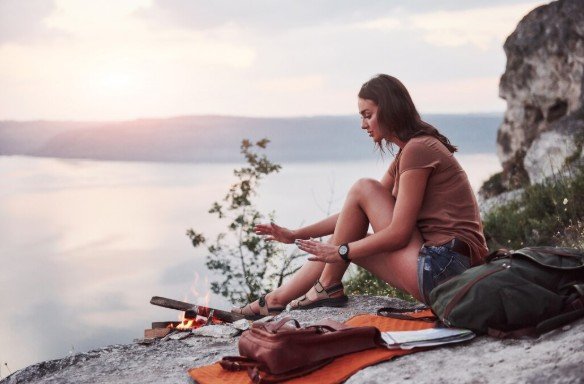
This is where the real magic happens.
When you stay longer, you stop feeling like a visitor and start feeling like part of the place. You recognize faces, learn routines, and feel more comfortable navigating the area.
You might visit the same cafe every morning or walk the same route daily. These small habits create a sense of familiarity that makes travel feel more personal.
For me, this connection made every destination feel less like a stop and more like a temporary home.
How To Experience Slow Travel (Step-by-Step)
The way I approach travel now is completely different.
First, I choose fewer destinations. Instead of planning multiple cities, I focus on one or two places and spend more time there.
Next, I avoid overplanning. I leave space in my schedule for spontaneous experiences and local exploration.
Then, I prioritize walking and local transport. This helps me experience the place more naturally and discover hidden areas.
Finally, I stay open. Some of the best experiences come from simply being present and letting the trip unfold instead of controlling every detail.
Is Slow Travel Right For Everyone?
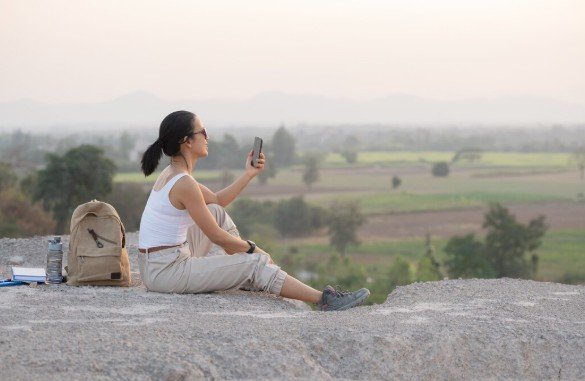
It may not suit every situation, but it works for most people—especially those looking for meaningful experiences instead of rushed sightseeing.
If you enjoy depth over speed, connection over checklists, and experiences over attractions, then slow travel is worth trying.
Even if you can’t fully commit to it, incorporating elements of slow travel into your trips can make a noticeable difference.
FAQs
1. What are slow travel lifestyle benefits?
Slow travel lifestyle benefits include reduced stress, deeper cultural connections, better experiences, and a more relaxed approach to exploring destinations.
2. Is slow travel better than fast travel?
It depends on your preferences, but slow travel often provides more meaningful and less stressful experiences compared to fast-paced trips.
3. How can I start slow travel?
Start by choosing fewer destinations, staying longer in one place, and allowing flexibility in your itinerary.
4. Does slow travel save money?
Yes, it can help reduce transportation costs, avoid rushed spending, and allow you to find better local deals.
A Better Way To Experience Travel
What changed everything for me was realizing that travel doesn’t have to be rushed to be exciting. Once I embraced the slow travel lifestyle benefits, everything felt easier, calmer, and more meaningful.
Instead of feeling like I was constantly moving, I started feeling like I was actually experiencing the places I visited.
If you’ve ever come back from a trip feeling tired instead of fulfilled, this might be exactly what you need to try next.