When my PC suddenly feels slow, the first thing I check is CPU load. High usage can make Windows lag, stutter, run hot, or stop responding. Short spikes are normal during demanding tasks, but constantly high CPU usage when heavy apps are closed usually signals a deeper problem.
If you searched how to fix high cpu usage, the fastest first step is simple. Open Task Manager with Ctrl + Shift + Esc, click the CPU column, and see which process is using the most resources. That single step helps reveal whether the problem is a browser tab, startup app, driver issue, malware, or a Windows process.
Check Task Manager Before You Try Anything Else
Task Manager is the quickest way to identify the process causing the problem. Sort processes by CPU usage and watch the list for a minute. If one app is clearly consuming too much CPU, try closing it normally first. If the program does not respond, end the task and reopen it. In many cases, restarting the problematic process alone fixes the issue.
Restart Your PC
Restarting the computer may seem basic, but it solves more problems than people expect. A reboot clears temporary files and resets background processes that may have been running for too long. If CPU usage returns to normal after restarting, the problem was likely a temporary system glitch rather than a serious issue.
Close Browser Tabs and Background Apps

Web browsers are often the hidden cause of high CPU load. Multiple tabs, extensions, streaming services, and web apps can push processor usage far higher than expected. I usually check for music apps, chat programs, game launchers, cloud sync tools, and other utilities running in the background.
When several programs run at the same time, CPU demand increases even when the computer appears idle. Closing unnecessary apps is one of the easiest ways to reduce processor usage. If the system frequently slows down while multitasking, it may also help how to upgrade RAM so the computer can handle more programs without overloading the processor.
Disable Unnecessary Startup Programs
Some CPU problems start immediately when the computer boots because too many programs launch automatically. Open Task Manager → Startup Apps and disable programs that do not need to run when Windows starts. Common examples include game launchers, helper utilities, or update services. Reducing startup programs allows the system to dedicate more CPU power to the applications you actually use.
Update Windows, Drivers, and Apps
Outdated drivers or software can cause unusual CPU spikes. Updating the operating system and hardware drivers often resolves compatibility issues that create excessive processor activity.
I usually update three things first:
- Windows updates
- Graphics and chipset software and drivers
- The application using the most CPU
If the problem started after installing new software, reinstalling or updating that program may also fix the issue.
Run a Full Malware Scan
Malware can silently run processes in the background, which leads to high CPU usage even when the system appears idle. Run a full security scan using your antivirus software. If threats are detected and removed, CPU usage often drops immediately. This step is important because some malicious programs intentionally hide their activity.
Check Power Mode and Performance Settings
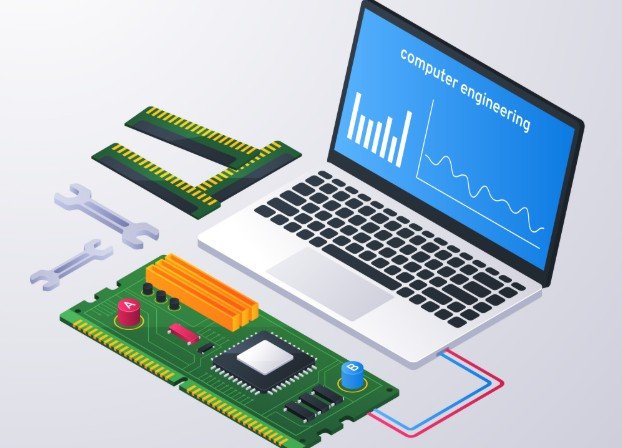
Power settings can also influence processor performance. Systems running in strict power-saving modes may behave poorly when heavy applications are launched.
Open the system power settings and confirm that the computer is using a balanced or performance mode appropriate for your workload. While this will not solve every issue, incorrect power settings can sometimes contribute to unstable CPU behavior.
Watch for Windows Processes Like WMI or Service Host
Occasionally the issue comes from a system service rather than a normal application. Processes such as WMI Provider Host or certain service host tasks can temporarily consume high CPU resources.
If one of these appears consistently at the top of Task Manager, further investigation may be needed. Check for recently installed drivers, hardware changes, or background services that could be triggering the behavior.
Use Resource Monitor or Process Explorer for Stubborn Cases
If the Task Manager does not clearly reveal the cause, advanced monitoring tools can help. Resource Monitor provides deeper insight into which services or threads are driving CPU usage. Tools like Process Explorer offer even more detailed diagnostics. When CPU usage remains high and the source is unclear, these tools make it much easier to pinpoint the exact cause.
When High CPU Usage Is Actually Normal
Not every CPU spike means something is wrong. Resource-intensive tasks such as gaming, video rendering, large downloads, or system updates naturally push processor usage higher.
The real concern is sustained high usage when the computer is idle or performing light tasks. That situation usually signals an underlying issue that needs attention.
My Practical Order for how to fix high cpu usage
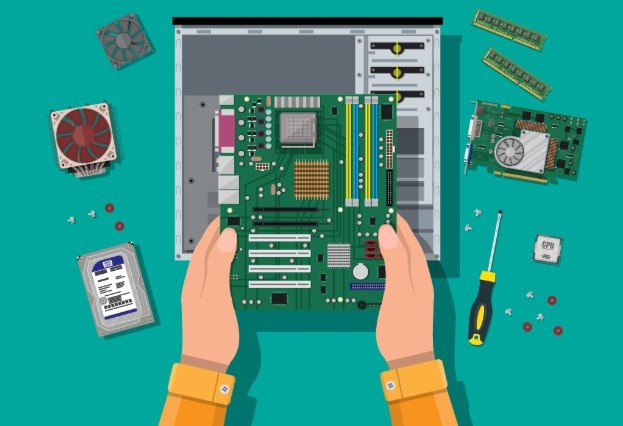
When I want to troubleshoot quickly, I follow this sequence:
- Restart the computer
- Open Task Manager and identify the top CPU process
- Close or restart the problematic program
- Reduce startup apps
- Update Windows and drivers
- Run a malware scan
- Check power settings
- Use advanced monitoring tools if needed
Following this order helps identify the real cause instead of trying random fixes.
Frequently Asked Questions
1. Why is my CPU usage at 100% when nothing is open?
Background programs or system services may still be running. Startup apps, hidden browser processes, malware, or driver issues are common reasons.
2. Is high CPU usage dangerous?
Short spikes are normal, but long periods of high CPU load can cause system slowdowns, overheating, and crashes.
3. Should I end every process using high CPU?
No. Some processes are part of Windows or security software. Always identify what the process does before ending it.
4. Will updating drivers help reduce CPU usage?
In many cases, yes. Driver updates fix compatibility issues that can trigger abnormal CPU activity.
Final Thoughts
Whenever my computer starts slowing down, I focus on identifying the cause instead of guessing. Checking Task Manager first almost always reveals where the CPU load is coming from.
Once I locate the process responsible, the solution becomes much easier, which means closing an app, updating software, or removing malware. That practical approach is the most reliable way to handle how to fix high cpu usage without wasting time on unnecessary tweaks.