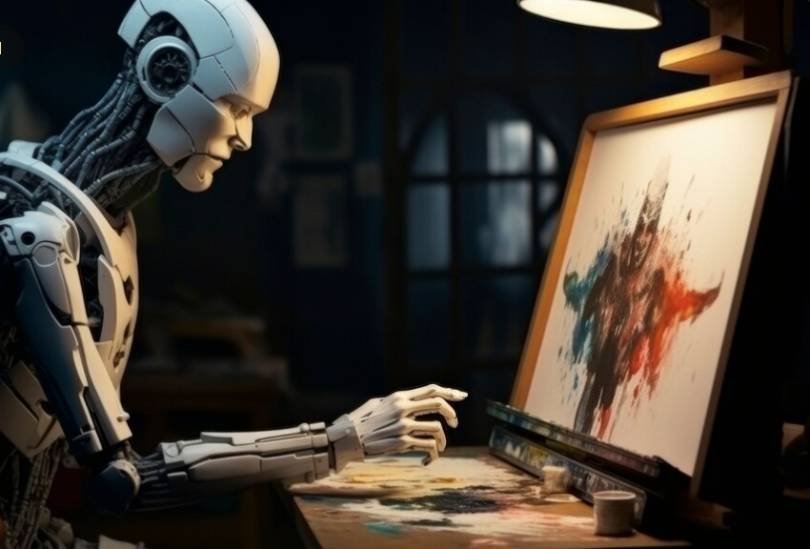
Creativity used to be considered a uniquely human ability. Artists, writers, designers, and musicians relied on imagination and years of practice to produce original work. Today, generative AI is changing creative work in ways that were difficult to imagine just a few years ago.
From writing articles to generating digital art and music, AI tools can now assist creators in producing content faster and experimenting with ideas more easily. Instead of replacing creativity entirely, these technologies are reshaping how creative professionals work and how ideas move from concept to final product.
What Is Generative AI?
Generative AI refers to artificial intelligence systems designed to create new content based on patterns learned from existing data. These systems analyze massive datasets of text, images, audio, or video and generate new outputs that resemble the patterns they have learned.
Popular examples include:
- AI tools that generate written content
- Image generators that create artwork from text prompts
- Music generators that produce original melodies
- Video tools that help automate editing and animation
These technologies use machine learning models to understand patterns and produce new creative outputs quickly.
How Generative AI Is Changing Creative Work
The influence of AI in creative industries continues to grow. Many professionals now use AI tools to improve productivity, generate ideas, and speed up repetitive tasks.
Faster Content Creation
One of the most noticeable changes is speed. AI tools can generate drafts, design concepts, or visual layouts in seconds.
For example, writers can use AI to brainstorm ideas or outline articles. Designers can generate multiple visual concepts quickly before refining them manually.
This allows creators to spend more time refining ideas rather than starting from scratch.
Improved Idea Generation
Creative professionals often face creative blocks. Generative AI tools can provide inspiration when ideas feel limited.
Artists and writers can use prompts to explore new themes, color palettes, or storylines. AI-generated concepts often serve as starting points that humans later refine and personalize.
Instead of replacing creativity, AI acts more like a brainstorming partner.
Automation of Repetitive Creative Tasks
Many creative projects include repetitive steps such as editing images, formatting text, or adjusting design layouts.
AI-powered tools can automate tasks like:
- Image background removal
- Basic video editing
- Content formatting
- Color correction in photos
Automation reduces the time spent on technical work and allows creators to focus more on artistic decisions.
Industries Most Affected by Generative AI
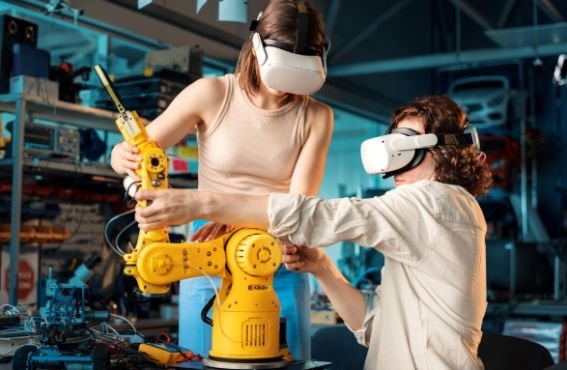
Several creative industries are already experiencing major changes due to generative AI.
Graphic Design
AI image generators can quickly produce concept artwork, marketing visuals, and illustrations. Designers often use these outputs as starting points for more detailed designs.
Writing and Content Creation
Writers now use AI tools for research, outlining, and generating first drafts. Content creators can produce articles, scripts, and marketing content faster than before.
Music Production
AI-powered music generators can compose background tracks, experiment with melodies, and assist in sound design.
Video Production
AI tools can automate subtitles, enhance video quality, and assist with editing workflows.
While human creativity still drives final production, AI tools significantly reduce the time required to produce creative content.
Benefits of Generative AI for Creators
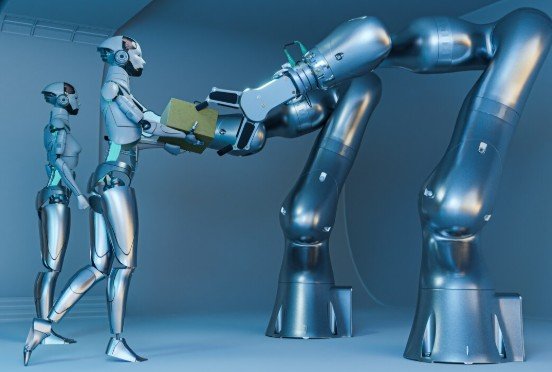
The adoption of AI tools offers several advantages for creative professionals. Here is how technology has changed the workplace:
Increased Productivity
AI tools reduce time spent on repetitive tasks and help creators produce more content within shorter time frames.
Access to Advanced Tools
Small creators and freelancers can now access powerful creative tools that were once available only to large studios.
Challenges and Concerns
Despite its benefits, generative AI also raises several concerns within creative industries.
Copyright and Ownership Issues
AI models are trained on existing content, which raises questions about who owns AI-generated work and whether original creators should receive credit.
Job Displacement Concerns
Some professionals worry that AI automation may reduce demand for certain creative roles.
However, most experts believe AI will change creative workflows rather than eliminate creativity itself.
Quality and Authenticity
AI-generated content may sometimes lack emotional depth or originality. Human oversight remains important to ensure quality and authenticity.
The Future of Creativity with AI
The future of creative work will likely involve collaboration between humans and AI tools.
Rather than replacing artists and creators, AI will act as a tool that enhances human creativity. Professionals who learn to use these tools effectively may gain a significant advantage.
In the coming years, creative professionals may spend less time on repetitive production tasks and more time on concept development, storytelling, and artistic direction.
Generative AI is not the end of human creativity. Instead, it represents a new chapter where technology helps people bring ideas to life faster than ever before.
FAQs
1. What is generative AI in simple terms?
Generative AI is a type of artificial intelligence that can create new content such as text, images, music, or videos by learning patterns from existing data.
2. Will generative AI replace creative jobs?
Most experts believe AI will change how creative work is done rather than completely replace human creativity. Many creators already use AI as a supportive tool.
3. What industries use generative AI the most?
Industries such as graphic design, marketing, writing, music production, and video editing are among the most affected by generative AI tools.
4. Can generative AI improve productivity?
Yes. AI tools can automate repetitive tasks, generate ideas quickly, and help creators complete projects faster.
A New Era of Creative Collaboration
Generative AI is transforming how creative professionals work, experiment, and produce content. By speeding up repetitive tasks and supporting idea generation, AI allows creators to focus more on innovation and storytelling.
Those who adapt to these tools will likely discover new ways to express ideas and expand their creative possibilities. The future of creativity may not be human versus AI, but rather humans working alongside intelligent tools to create something entirely new.