
When I first started exploring design as a profession, I believed creativity alone would determine success. Over time, I realized the journey is far more structured. Growth usually comes from combining creative ability, technical skills, a strong portfolio, and smart career choices.
Becoming a designer is not about luck or sudden opportunities. It is a gradual journey where each step builds on the previous one. Learning fundamentals, practicing consistently, building a portfolio, and gaining experience all contribute to shaping a realistic graphic designer career path.
What a Graphic Designer Actually Does
A graphic designer’s role goes beyond making things look visually appealing. Designers solve communication problems using visuals. They help brands, businesses, and organizations communicate ideas clearly.
Typical design work may include:
- Brand identity and logo design
- Social media graphics
- Marketing and advertising visuals
- Website and app design assets
- Packaging design
- Posters, brochures, and print materials
- Presentation and pitch deck design
Designers often collaborate with marketers, developers, writers, and product teams to turn ideas into visual communication.
Skills Every Designer Should Build First
Early in my journey, I realized software skills alone are not enough. The real strength comes from understanding design principles and applying them effectively. Many beginners who want to learn graphic design at home quickly discover that mastering these fundamentals makes every tool easier to use. The most important foundational skills include:
- Typography and layout design
- Color theory and brand consistency
- Visual hierarchy and spacing
- Composition and balance
- Adobe Illustrator, Photoshop, and InDesign
- Basic design for digital platforms
These core skills form the base of any successful graphic designer career path.
Do You Need a Degree to Become a Designer?
Many people assume a design degree is mandatory. While formal education can provide structured learning, it is not the only route into the profession. Designers often enter the field through several paths:
- University design programs
- Short design courses or certifications
- Self-learning through tutorials and practice
- Internships or entry-level creative roles
- Freelance design work
What ultimately matters most is the ability to demonstrate skills through a strong portfolio.
Build a Portfolio Before You Feel Ready
One of the biggest lessons I learned was not to wait until everything feels perfect before building a portfolio. The portfolio is the most important tool a designer has.
A strong beginner portfolio may include:
- Logo and brand identity projects
- Social media advertising visuals
- Website or landing page mockups
- Packaging design concepts
- Poster and flyer layouts
- Redesigns of existing designs
- Short case studies explaining design decisions
Quality matters far more than quantity. A few well-developed projects can be far more effective than dozens of weak samples.
Getting Your First Real Experience
Practical experience is where design skills truly grow. Real projects help designers learn communication, revision handling, and time management. Some common ways to gain experience include:
- Freelance work for small businesses
- Internship opportunities
- Volunteer design work for organizations
- Campus or community projects
- Contract design assignments
Each project builds confidence and adds valuable work to a portfolio.
Typical Career Stages for Designers
Design careers often progress through several stages. Understanding these stages helps designers plan long-term growth.
Entry-Level Designer
Common titles include junior graphic designer or production designer. At this stage, designers learn workflows, improve speed, and handle revisions.
Mid-Level Designer
Designers begin working more independently. They handle larger projects, contribute ideas, and collaborate closely with clients or teams.
Senior Designer
Senior designers lead projects, guide junior designers, and help shape brand direction.
Creative Leadership or Specialist Roles
Experienced designers may move into roles such as:
- Art director
- Creative director
- Brand strategist
- UX or UI designer
- Motion graphics designer
Each direction offers different creative opportunities.
Popular Design Specializations
One of the exciting parts of design is the variety of paths available. Designers often specialize as their skills develop. Common specializations include:
- Brand identity design
- Marketing and advertising design
- Web and interface design
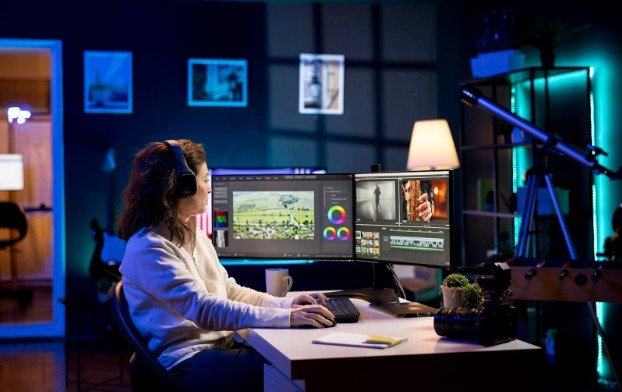
- Motion graphics design
- Packaging design
- Publication design
- Presentation design
Choosing a specialization can help designers stand out and develop deeper expertise.
Ways Designers Can Stand Out
Over time, I noticed that successful designers usually share a few common habits. They focus on improving both creative ability and professional presentation. Some effective strategies include:
- Creating clean and well-organized portfolios
- Writing clear project case studies
- Continuously improving design fundamentals
- Networking with other creatives
- Building your personal brand or online presence
- Learning new tools and trends
Consistency and curiosity often matter just as much as raw talent.
Mistakes That Can Slow Down Growth
Many designers face similar challenges early in their careers. Avoiding these mistakes can make progress much smoother. Common mistakes include:
- Focusing on tools instead of design thinking
- Adding weak projects to a portfolio
- Ignoring typography fundamentals
- Copying trends without understanding them
- Applying for jobs without tailoring portfolios
- Waiting too long to practice real projects
Recognizing these patterns early can save a lot of time and frustration.
Frequently Asked Questions
1. How long does it take to become a graphic designer?
The timeline varies depending on practice and learning pace. Many people develop beginner skills within months, but building a strong portfolio can take longer.
2. Can someone become a designer without formal education?
Yes. Many designers build careers through self-learning, online courses, and freelance work. Employers often focus more on portfolios than degrees.
3. What is a good first job in design?
Junior graphic designer roles, internships, freelance work, or production design positions are common starting points.
4. What careers can follow graphic design?
Designers may progress into roles such as senior designer, art director, creative director, brand strategist, or UX/UI designer.
Final Thoughts
Looking back, the most valuable lesson I learned is that growth in design rarely happens overnight. Improvement comes from steady practice, thoughtful projects, and a willingness to keep learning. Every project teaches something new. Every revision strengthens problem-solving skills.
Over time, those small improvements build confidence and open new opportunities. Following a structured graphic designer career path makes the journey clearer and more achievable. With patience, practice, and creativity, design can become both a rewarding career and a lifelong craft.