
Technology continues to evolve faster than ever. Innovations that once seemed impossible are now becoming part of everyday life. Because of this rapid progress, many researchers, engineers, and entrepreneurs are constantly exploring future technology ideas that could transform industries, improve living standards, and reshape how people interact with the world.
From artificial intelligence to space exploration, the technologies of tomorrow may solve some of humanity’s biggest challenges while creating entirely new opportunities.
Artificial Intelligence Advancements
Artificial intelligence is already transforming industries such as healthcare, finance, and transportation. In the future, AI systems may become even more advanced and capable of handling complex tasks.
Future AI technologies could assist doctors in diagnosing diseases more accurately, help businesses automate decision-making processes, and improve personal productivity tools. As machine learning algorithms continue to evolve, AI may also become more personalized and adaptive to individual needs.
Smart Cities and Urban Technology

One of the most promising future technology ideas involves the development of smart cities. These cities use digital infrastructure, sensors, and data analytics to improve transportation, energy usage, and public services.
Smart traffic systems could reduce congestion by analyzing real-time road conditions. Smart energy grids may optimize electricity distribution and reduce energy waste. Connected infrastructure could also improve public safety and emergency response systems.
The goal of smart cities is to create more efficient, sustainable, and comfortable living environments.
Renewable Energy Innovations
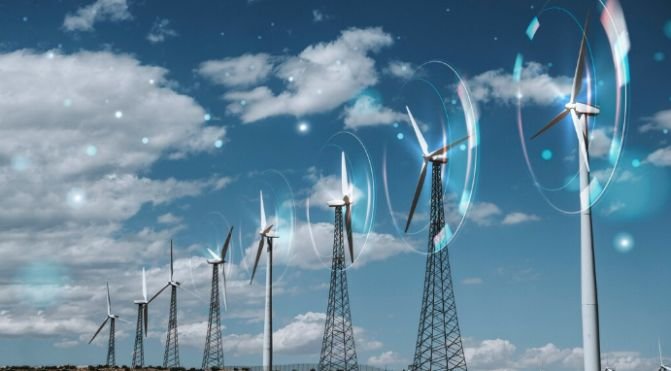
The future of technology is closely tied to sustainability. Renewable energy technologies continue to improve as researchers search for ways to reduce reliance on fossil fuels.
Solar panels are becoming more efficient and affordable, while wind energy technologies are expanding globally. Future developments may include advanced battery storage systems that allow renewable energy to power entire cities.
Emerging technologies such as hydrogen energy and advanced geothermal systems may also play an important role in the global energy transition.
Biotechnology and Medical Breakthroughs
Biotechnology is another area where future innovations could have a significant impact on society.
Researchers are exploring technologies such as gene editing, personalized medicine, and advanced medical diagnostics. Tools like CRISPR gene-editing technology may help scientists treat genetic diseases that were once considered incurable.
Future medical technologies may also include wearable health monitoring devices that continuously track vital signs and detect health problems early.
Space Exploration Technology
Space technology is rapidly evolving as both government agencies and private companies invest in exploration.
Future technology ideas include reusable spacecraft, lunar bases, and missions to Mars. These innovations could make space travel more affordable and open new opportunities for scientific research.
Satellite technology is also improving global communication, weather forecasting, and navigation systems on Earth.
Augmented Reality and Virtual Reality
Augmented reality (AR) and virtual reality (VR) technologies are expected to play a larger role in everyday life.
In education, AR could allow students to explore historical events or scientific environments in immersive ways. In business, VR may transform remote meetings by creating virtual collaboration spaces.
Gaming and entertainment industries are already experimenting with these technologies, but their applications may expand into healthcare, training, and professional development.
Robotics and Automation

Robotics technology continues to improve as engineers develop machines capable of performing complex tasks.
Future robots may assist in healthcare, manufacturing, agriculture, and disaster response. Agricultural robots could help farmers monitor crops and increase food production efficiency.
In hazardous environments such as deep-sea exploration or disaster zones, robots may perform tasks that are too dangerous for humans.
The Role of Innovation in Future Technology
Many of these future technology ideas are still developing, but they highlight how innovation continues to push the boundaries of what technology can achieve.
Collaboration between scientists, engineers, governments, and businesses will play a major role in bringing these ideas from research laboratories into real-world applications.
As new technologies emerge, society will need to balance innovation with ethical considerations, environmental responsibility, and global accessibility.
FAQs
1. What are future technology ideas?
Future technology ideas refer to innovative concepts and emerging technologies that could shape industries, solve global problems, and transform everyday life.
2. Which future technologies are developing the fastest?
Artificial intelligence, biotechnology, renewable energy, robotics, and space exploration are among the fastest-growing technology sectors.
3. How will future technology affect everyday life?
Future technologies may improve healthcare, transportation, communication, and energy systems, making life more efficient and sustainable.
Looking Ahead to the Next Technological Era
The future of technology is filled with possibilities that could reshape industries, improve healthcare, and enhance everyday life. While some innovations may take decades to fully develop, others may arrive sooner than expected. Also some people think many jobs are at risk due to these advancements.
Exploring future technology ideas helps people understand how emerging innovations could influence the world and prepare for a future driven by creativity, scientific discovery, and technological advancement.