

I do not think the modern workday looks anything like it did a decade ago. Meetings that once required a conference room now happen on video calls. Documents that used to sit in office folders now live in shared cloud drives. When I think about how has technology changed the workplace, I see more than just new tools.
I see a complete shift in how people communicate, collaborate, solve problems, and build careers. Technology has made work faster, more connected, and more flexible. At the same time, it has introduced new expectations about productivity, digital skills, and constant connectivity.
Why Technology Matters in the Modern Workplace
Technology now shapes nearly every aspect of daily work. Communication platforms allow teams to collaborate instantly, even when they are in different cities or time zones. Cloud systems store documents and data so employees can access them from almost anywhere.
This shift has changed how companies operate. Businesses can hire talent regardless of location, manage projects digitally, and analyze performance using real-time data. For employees, technology often means more flexibility, but it also requires learning new tools and adapting to changing workflows.
How has technology changed the workplace

One of the most visible changes is where work happens. Many organizations now rely on remote or hybrid work models. Instead of working only in physical offices, employees collaborate through video calls, shared documents, messaging platforms, and project management tools.
Automation has also transformed daily responsibilities. Tasks such as scheduling, data entry, reporting, and document processing can now be handled by digital systems. This allows workers to spend more time on strategic thinking, problem solving, and creative work instead of repetitive tasks.
Another major shift is speed. Information moves instantly, decisions can be made faster, and collaboration happens in real time. These improvements have made workplaces more efficient but have also increased expectations for responsiveness.
How Communication Has Changed at Work
Communication used to revolve around meetings, phone calls, and long email threads. Today, digital messaging platforms, collaboration tools, and shared workspaces have reshaped how teams interact. This transformation allows teams to work together even if they are not physically in the same location.
Projects move faster because updates happen instantly and documents can be edited by multiple people at the same time. However, this constant communication can also create pressure. Notifications, messages, and digital meetings can fill the entire workday, sometimes making it difficult to focus deeply on important tasks.
How Artificial Intelligence Is Reshaping Jobs
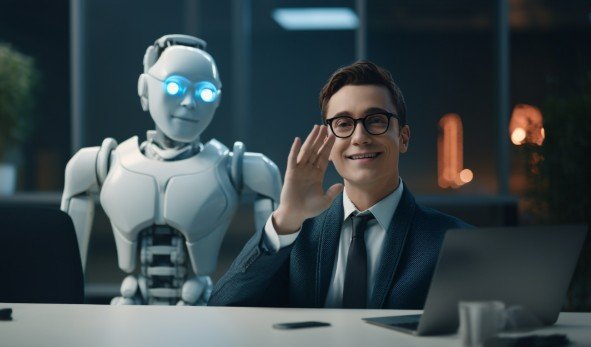
Artificial intelligence is one of the most powerful forces currently transforming work. AI tools can analyze data, assist with writing, automate repetitive tasks, and help teams make faster decisions. Instead of replacing every job, AI is changing how work is done.
Many roles now require workers to collaborate with intelligent systems that help analyze information or complete routine steps. This shift means employees increasingly benefit from digital literacy and the ability to adapt quickly to new technologies. Learning how to work alongside automation has become an important professional skill.
Benefits Technology Has Brought to the Workplace
Technology has made work more flexible. Employees can collaborate from different locations while still staying connected to their teams. This flexibility allows organizations to operate across time zones and reach a wider talent pool. Productivity has also improved in many areas.
Digital tools reduce repetitive tasks, speed up communication, and provide better access to information. When used effectively, technology allows people to focus on more meaningful and creative work. Another benefit is improved access to knowledge. Online learning platforms, digital documentation, and shared knowledge systems allow employees to develop skills faster than before.
Challenges Created by Workplace Technology

Despite the benefits, technology has introduced new challenges. Automation and AI can raise concerns about job stability, especially for roles that rely heavily on routine tasks. Digital tools can also blur the boundary between work and personal life.
Because communication happens instantly, employees may feel pressure to stay connected outside of normal working hours. These pressures highlight the importance of managing stress in high-pressure tech careers, especially for professionals who work in fast-paced digital environments.
Privacy concerns have also emerged as organizations use software to track productivity, analyze behavior, or monitor digital activity. Finding the right balance between efficiency and trust has become an important challenge for many companies.
How Workers Can Adapt to a Technology-Driven Workplace
Adapting to a digital workplace starts with continuous learning. Workers who stay curious about new tools and systems often adjust more easily to changing environments. Developing digital communication skills is also important.
Clear writing, collaboration through shared platforms, and effective virtual meetings are now essential workplace abilities. Equally important is setting boundaries. Learning when to disconnect, manage notifications, and structure work hours helps maintain focus and prevent burnout in a technology-driven environment.
Frequently Asked Questions
1. What is the biggest way technology has changed the workplace?
The biggest change is flexibility. Work is no longer limited to one physical location, and employees can collaborate digitally from almost anywhere using communication and cloud based services.
2. Has technology improved workplace productivity?
In many cases, yes. Digital systems reduce repetitive tasks, streamline communication, and provide faster access to information, which can improve overall efficiency.
3. Is artificial intelligence replacing workers?
AI is transforming many tasks, but it is more commonly reshaping roles rather than eliminating them completely. Many jobs now involve working alongside AI tools instead of being replaced by them.
4. What skills are important in a technology-driven workplace?
Digital literacy, adaptability, communication, problem solving, and the ability to learn new technologies quickly are among the most valuable skills today.
Final Thoughts
When I reflect on how has technology changed the workplace, I realize the shift is far deeper than new software or devices. Technology has changed how people connect, collaborate, and build careers. In my experience, the most successful professionals are not the ones who simply use the newest tools.
They are the ones who understand how to use technology in a thoughtful way while maintaining focus, creativity, and strong human collaboration. The workplace will continue to evolve as technology advances, but the core challenge remains the same: using these tools to support better work, better decisions, and better lives.