I still remember when the idea of making a video call from a wristwatch sounded like science fiction. It was something we saw in old detective comics and futuristic movies.
But today, that idea feels much closer to reality.The phrase cmra looks to bring dick tracy style video to apple watch describes one of the most interesting experiments in wearable technology.
Instead of waiting for Apple to add a camera to the Apple Watch itself, a company called Glide created a camera-equipped band designed to bring photos and video communication directly to your wrist.
When I first saw the concept, I wondered the same thing most people do: is wrist-based video communication actually practical?
In this guide, I will explain what CMRA is, how the Apple Watch camera band works, and whether Dick Tracy-style video communication could realistically become part of everyday smartwatch use.
Key Takeaways
- CMRA is an Apple Watch band with built-in cameras designed for photos and video communication
- The accessory was inspired by the classic Dick Tracy wrist communicator concept
- It includes both a front camera for selfies and a rear camera for capturing photos or video
- The idea pushes wearable technology toward true wrist-based communication
- Practical challenges such as privacy, battery life, and everyday usability remain
What CMRA Actually Is?
CMRA is not an Apple Watch upgrade or a new Apple product. It is an accessory band that adds cameras to the watch.
The idea is surprisingly simple.
Instead of placing cameras inside the watch body, the designers integrated them into the band. This approach allows users to capture photos and record video directly from their wrist without changing the watch hardware.
When I first learned about the design, it made sense immediately. Smartwatch space is extremely limited, and adding cameras inside the watch itself could compromise battery life and internal components.
By moving the camera into the band, the device expands functionality without redesigning the Apple Watch.
Why People Compare CMRA to Dick Tracy
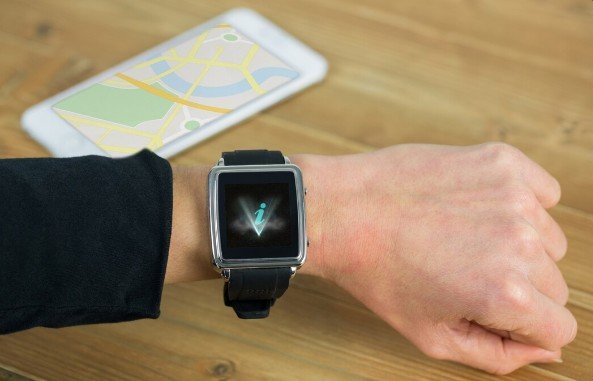
The Dick Tracy comparison appears frequently because the comic book detective used a famous wrist communicator.
For decades, that image shaped how people imagined the future of wearable technology.
The CMRA concept comes closer to that vision than many earlier smartwatch features. Instead of just sending messages or making voice calls, the device enables visual communication from the wrist.
That is why the headline cmra looks to bring dick tracy style video to apple watch captures attention so easily. It connects modern technology with a futuristic idea people have imagined for years.
How the CMRA Apple Watch Camera Band Works
Understanding how the accessory works helps explain why it attracted so much attention in the tech world.
Dual Camera Design
The band contains two separate cameras.
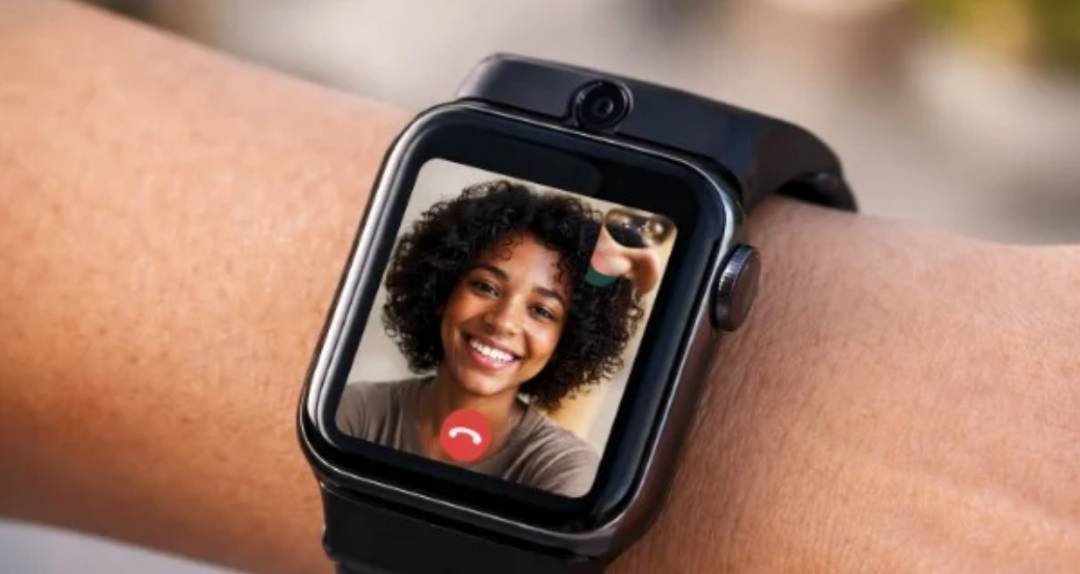
One camera faces outward so you can capture photos and video of your surroundings. The second camera points toward you, making it suitable for selfies or video communication.
This dual-camera setup gives the device more flexibility than a single lens design.
Video Communication Potential
The biggest promise behind CMRA is the ability to communicate visually from your wrist.
Instead of pulling out your phone, you could potentially initiate a video conversation or record a quick message using the watch itself.
The concept pushes wearable communication technology further than traditional smartwatch features.
Hardware and Charging Considerations
Adding cameras to a watch band also introduces technical challenges.
Camera sensors require additional power, storage, and processing. To manage this, the band includes its own battery system so the Apple Watch battery is not drained too quickly.
Even with this design, battery life remains one of the main practical challenges.
Why the Idea Generated So Much Excitement

When the concept first appeared, the Apple Watch ecosystem was still evolving.
Many people were curious about how far smartwatch capabilities could expand beyond notifications and health tracking. It can be among best travel gadgets.
The CMRA concept suggested a new possibility.
Instead of relying on smartphones for photos and video communication, wearables could potentially become independent communication devices. For technology enthusiasts like me, that idea was incredibly compelling.
The Biggest Challenges Facing Wrist Video Technology
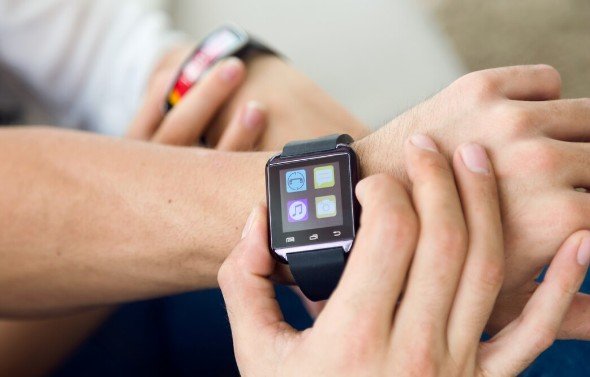
As exciting as the concept sounds, real-world use introduces several obstacles.
Privacy Concerns
Wearable cameras always raise privacy questions. When a camera is placed on a wrist, people nearby may not realize they are being recorded.
Manufacturers attempted to address this by adding recording indicators, but social acceptance remains uncertain.
Everyday Practicality
Holding your wrist at the correct angle for photos or video calls can feel awkward compared with using a phone.
This small usability challenge makes a big difference in everyday situations.
Battery Limitations
Video capture and streaming require significant power. Even with additional battery capacity in the band, extended use could shorten the overall device runtime.
What Happened After the CMRA Announcement
Although CMRA attracted attention, it did not completely transform the smartwatch industry.
Apple itself has not yet added a built-in camera to the Apple Watch.
However, the concept influenced other wearable accessories. Some companies later explored similar camera-band designs that allow photos, video recording, and messaging directly from the wrist.
The idea never completely disappeared.
Instead, it evolved slowly within the wearable technology space.
Frequently Asked Questions
1. What is CMRA for Apple Watch?
CMRA is a camera-equipped Apple Watch band designed to add photo and video functionality to the watch without modifying the watch hardware itself.
2. How many cameras does the CMRA band have?
The accessory includes two cameras. One faces outward for capturing photos or videos, while the other faces upward for selfies and potential video calls.
3. Can Apple Watch make video calls by itself?
Apple Watch does not currently include a built-in camera. Accessories like CMRA attempt to add video capabilities through external hardware.
4. Why is the CMRA concept compared to Dick Tracy?
The comparison comes from the famous fictional detective who used a wrist communicator in comics. The camera band attempts to recreate a similar futuristic communication device.
5. Is wrist-based video communication practical?
It is technically possible, but everyday use still raises questions about convenience, privacy, and battery performance.
The Future of Dick Tracy-Style Wrist Communication
The story behind cmra looks to bring dick tracy style video to apple watch represents more than just a gadget experiment.
It shows how wearable technology continues to push toward new forms of communication.
While the concept has not yet become a standard smartwatch feature, it demonstrates how accessories can expand the capabilities of existing devices. Ideas like wrist-based video communication may still evolve as battery technology, camera sensors, and wearable processors improve.
For me, the most fascinating part of this story is how a decades-old science fiction idea keeps influencing modern technology.
What once existed only in comic books is slowly becoming technically possible, even if the perfect implementation has not arrived yet.